The Ultimate Overnight Breakfast Casserole
I can still feel the morning light through my kitchen window as I stir a warm cup of coffee and peek into the oven—there’s something so quietly satisfying about a dish that has already done its work while I slept. I used to worry about getting breakfasts ready for busy mornings: timing, juggling kids’ schedules, and making sure everyone got something hearty and safe for a gluten-free diet. That’s why I love this recipe — it’s forgiving, simple, and gives you a golden, cozy breakfast that feels like a hug on a plate. If you want reliable, gluten-free comfort that frees up your morning, keep reading and I’ll walk you through every gentle step. Also, if you like morning recipes, I’ve rounded up more ideas on my breakfast page here: gluten-free breakfast recipes.
A Quick Look at This The Ultimate Overnight Breakfast Casserole Recipe
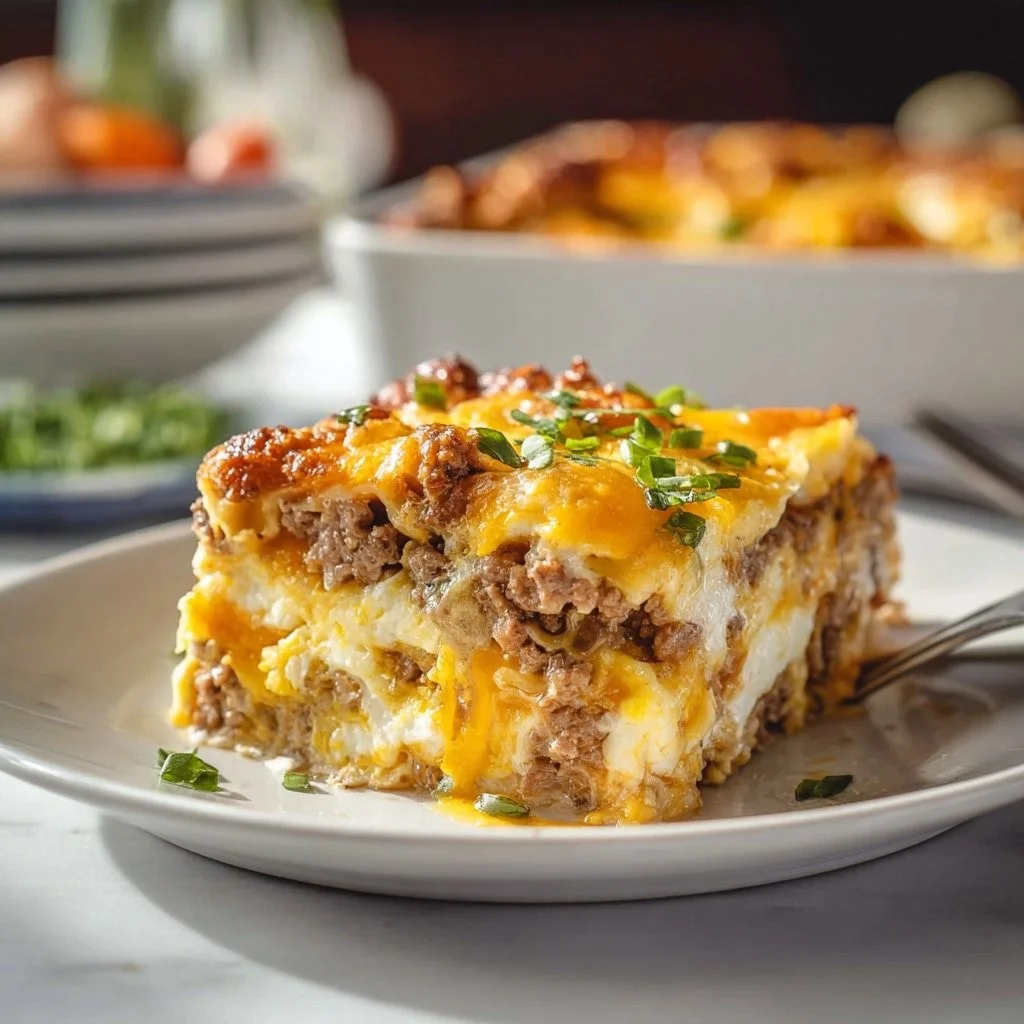
This casserole layers frozen hash browns, browned breakfast sausage (choose turkey, chicken, lean beef, or plant-based), and creamy egg custard for a reliable, comforting morning bake. It’s simple to assemble the night before and wakes up perfectly set and golden after a morning bake. The texture is nicely balanced—crispy on top, tender inside—and it’s forgiving if you tweak mix-ins to suit your family. If you want warm, wholesome breakfasts with minimal morning effort, this casserole is exactly the kind of calm, make-ahead recipe I turn to again and again.
Ingredients You’ll Need for The Ultimate Overnight Breakfast Casserole
Essentials
- 1 pound breakfast sausage (turkey, chicken, lean beef, or a certified gluten-free plant-based sausage) — choose a brand labeled gluten-free
- 1 package frozen hash browns (about 30 oz; shredded or diced, plain, not seasoned) — frozen works best for texture and convenience
- 8 large eggs (room temperature helps even cooking)
- 1 cup milk (whole or 2%) — adds creaminess (use your preferred dairy or a creamy unsweetened plant milk labeled gluten-free if needed)
- 1 cup sour cream — brings tang and a tender custard; plain Greek yogurt works as a swap
- 2 cups shredded cheddar cheese (sharp or mild, depending on taste)
- 1/2 teaspoon salt
- 1/4 teaspoon black pepper
- 1/4 cup chopped green onions (plus more for garnish)
Optional Add-ons
Simple extras that add comfort or flavor
- 1 small diced bell pepper (red or orange for sweetness)
- 1 cup sautéed mushrooms (cooked until moisture is reduced)
- 1 cup fresh spinach (briefly wilted or chopped; squeeze out excess moisture)
- 1/2 cup diced tomatoes (fold in just before baking to avoid excess liquid)
- 1 teaspoon onion powder or garlic powder (for an extra savory note)
- 1/2 teaspoon smoked paprika (for warmth and color)
- 1 to 1 1/2 cups mixed shredded cheese (Monterey Jack, mozzarella, or a blend for melty stretch)
All of the above ingredients should be chosen from labeled gluten-free products when packaged. Fresh produce and plain dairy are naturally gluten-free.
Substitutions and Shortcuts
Home-cook friendly swaps that keep things easy
- Sausage: Swap with cooked, crumbled gluten-free chicken or turkey breakfast sausage, or a savory gluten-free plant-based crumble. Avoid pork options for this version.
- Hash browns: If you can’t find a 30 oz bag, two smaller bags totaling similar weight will work. You can also use frozen diced potatoes, but texture will differ slightly.
- Dairy substitutes: Use a full-fat unsweetened almond, oat, or cashew milk labeled gluten-free if you need dairy-free. Sour cream can be swapped with dairy-free sour cream or full-fat coconut yogurt (unflavored).
- Cheese: Choose your favorite melting cheese or a pre-shredded gluten-free blend. Note that some pre-shredded cheeses contain anti-caking agents—check the label for gluten-free confirmation.
- Shortcuts: If you’re short on time in the evening, cook the sausage and assemble up to the point of covering; refrigerate for a few hours and finish baking later. You can also assemble and freeze (see notes in the steps).
How to Make The Ultimate Overnight Breakfast Casserole Step-by-Step
I like to make this the night before—there’s something so gentle about preparing a cozy breakfast in the evening and knowing the morning will be calm.
Brown the sausage
- Heat a medium skillet over medium heat. Add the breakfast sausage and cook, breaking it into bite-sized pieces with a spoon, until nicely browned and cooked through (no pink remains). This usually takes 7–10 minutes depending on your stove and sausage type. Drain any excess fat if needed and set the sausage aside to cool slightly.
Whisk the custard
- In a large mixing bowl, whisk together the 8 eggs, 1 cup milk, and 1 cup sour cream until smooth. Add 1/2 teaspoon salt and 1/4 teaspoon black pepper. If you’re using onion powder, garlic powder, or smoked paprika, whisk them in now for even seasoning. The sour cream gives a silky texture to the baked eggs—no fuss, just whisk until homogeneous.
Grease the baking dish
- Lightly grease a 9×13-inch baking dish with butter or a neutral oil. You can also use nonstick spray designed for baking (gluten-free). This helps the casserole release easily after baking.
Layer the casserole
- Spread half of the frozen hash browns into the bottom of the prepared dish in an even layer. Sprinkle half of the cooked sausage over the potatoes. Top with half of the shredded cheddar cheese (and half of any mixed cheese if using). Repeat the layers with the remaining hash browns, sausage, and cheese so you have a tidy, even stack.
Pour the egg mixture
- Pour the egg, milk, and sour cream mixture evenly over the layered potatoes, sausage, and cheese. I gently press down with a spatula so the egg mixture settles into the layers—no vigorous stirring needed. The frozen potatoes will draw some moisture, and the eggs will soak into the layers overnight for a cohesive bake.
Cover and refrigerate overnight
- Cover the casserole tightly with foil and place it in the refrigerator overnight (or up to 24 hours). This gives the flavors time to meld and the custard time to fully hydrate the frozen potatoes.
Bake in the morning
- When you’re ready to bake, preheat the oven to 350°F (175°C). Remove the casserole from the fridge and place it, still covered, on the middle rack. Bake covered for 45 minutes to heat through and allow the eggs to set.
Finish uncovered
- After 45 minutes, remove the foil and bake for an additional 20–25 minutes until the top is golden, bubbling, and the center is set (a toothpick or knife should come out mostly clean with only a few moist crumbs). If you prefer a crispier top, broil for 1–2 minutes—watch carefully to avoid burning.
Rest before slicing
- Let the casserole rest for about 10 minutes before slicing. This helps it firm up and makes cleaner slices. Sprinkle the chopped green onions on top just before serving for a fresh lift.
Serving and storing
- Serve warm. Leftovers keep well in the fridge for 3–4 days. Reheat slices gently in the oven at 300°F (150°C) covered with foil until warmed through, or microwave individual portions for 60–90 seconds.
A few gentle reminders: perfection isn’t required. If your layers aren’t symmetrical or you used a little more cheese, it will still be comforting and delicious. This recipe is meant to be forgiving.
Common Mistakes to Avoid
I always remind myself—and my readers—that cooking is a practice, not a perfection test. Small mistakes are where you learn what you like, and with this casserole you can tweak and forgive easily. Below are three common missteps I see and how I fix them.
Mistake 1: Dry or mealy texture
If the casserole feels dry or the potatoes are mealy, it often means not enough moisture made it into the frozen potato layer, or the eggs were overbaked. Solution: make sure you use frozen hash browns as called for (they release moisture as they thaw and bake), and don’t overbake after removing the foil. Allowing the casserole to rest for 10 minutes after baking also improves texture.
Mistake 2: Over-mixing or under-seasoning
An under-seasoned egg mixture tastes flat, while over-mixing can make the eggs dense. Solution: whisk the eggs with milk and sour cream just until combined—no need to aerate into a froth. Taste your filling for seasoning and add a touch more salt or pepper if needed, remembering the cheese and sausage add salt too.
Mistake 3: Ingredient substitutions that add too much liquid
Fresh tomatoes, raw mushrooms, or watery vegetables can add excess moisture that affects set and texture. Solution: sauté mushrooms first, drain and cool; remove excess moisture from chopped tomatoes; wilt and squeeze spinach before adding. If you want to add a watery veg raw, use it sparingly.
Serving Suggestions for The Ultimate Overnight Breakfast Casserole
I love serving this dish warm and simple, letting the flavors do the comforting work. It pairs beautifully with light, gluten-free sides that keep the meal balanced without fuss.
Cozy Sides to Round It Out
- A simple arugula or mixed green salad dressed with olive oil and lemon brightens the plate.
- Gluten-free toast or a slice of hearty gluten-free bread with butter is always welcome for soaking up custard-y edges.
- A bowl of fresh fruit (berries, sliced apples, or citrus) brings brightness and contrast.
Everyday Family Meal Ideas
- Turn leftovers into a brunch buffet: set out warmed slices with condiments like ketchup, hot sauce, salsa, or a cool yogurt-herb sauce.
- Add a platter of sliced avocado, cucumber, and extra cheese so everyone can customize their plate.
- Serve with a thermos of coffee or tea and let family members help themselves—this casserole holds well for second helpings.
Casual, Stress-Free Serving Tips
- If you’re feeding a crowd, keep the casserole in a 300°F oven covered to stay warm for up to 30–40 minutes.
- To make it portable, bake it the night before, cool, then slice and reheat in a casserole dish at your destination.
- For a kid-friendly version, add a mild cheese and omit strong spices; for grown-ups, offer hot sauce on the side.

Conclusion
I hope you feel encouraged to try The Ultimate Overnight Breakfast Casserole the next time mornings look busy and you want something warm waiting on the table. I love how forgiving and flexible this recipe is—swap in veggies, choose a favorite gluten-free sausage, or make it dairy-free and still end up with that comforting casserole texture. If you’d like to compare this version with the original inspiration, I sometimes look at variations and notes like those found at The Ultimate Overnight Breakfast Casserole – Dash Of Evans to spark ideas. Make it once and you’ll see how easily it becomes a part of your cozy, everyday cooking rhythm—then make it again, perhaps with a new twist to keep things interesting.
FAQs About The Ultimate Overnight Breakfast Casserole
Yes. Use unsweetened, full-fat plant milk (like oat, almond, or cashew) labeled gluten-free and swap sour cream for a dairy-free sour cream or full-fat coconut yogurt. Choose a dairy-free shredded cheese that’s labeled gluten-free. The bake will be slightly different in flavor and texture, but still comforting.
You can, but it’s more work. Fresh potatoes should be par-cooked (boiled, roasted, or sautéed until just tender) and cooled so they don’t add excess liquid. Frozen hash browns are easier because they release predictable moisture and help the casserole set well overnight.
Make sure the casserole bakes long enough covered and then uncovered to allow the top to brown. Using frozen hash browns (not thawed) helps; if you add watery veggies like tomatoes or mushrooms, cook or drain them first. Resting 10 minutes after baking also helps the center set.
Yes to both. For best results, assemble the casserole in an oven-safe dish, cover tightly with foil, and freeze. Thaw in the refrigerator overnight before baking, then follow the bake times (you may need slightly longer). If freezing after baking, cool fully, portion into airtight containers, and freeze up to 2 months—reheat gently so it warms through without drying out.
Look for products labeled “gluten-free” on the package to be confident. Many turkey, chicken, and plant-based sausages are gluten-free, but some blends include fillers with gluten, so read labels. The same goes for shredded cheese—check for gluten-free labeling or consult the brand’s allergen statement. I recommend rotating brands you trust and noting which ones you like for texture and flavor.
The Ultimate Overnight Breakfast Casserole
Ingredients
Method
- Heat a medium skillet over medium heat. Add the breakfast sausage and cook, breaking it into bite-sized pieces until nicely browned and cooked through (7–10 minutes). Drain any excess fat and set aside to cool slightly.
- In a large mixing bowl, whisk together the eggs, milk, and sour cream until smooth. Stir in salt, pepper, and any optional spices.
- Lightly grease a 9×13-inch baking dish with butter or oil.
- Spread half of the frozen hash browns in the prepared dish. Layer half of the cooked sausage, then half of the cheese. Repeat the layers.
- Pour the egg mixture evenly over the layers, gently pressing down with a spatula.
- Cover tightly with foil and refrigerate overnight (or up to 24 hours).
- Preheat the oven to 350°F (175°C). Remove casserole from the fridge and bake covered for 45 minutes.
- Remove the foil and bake for an additional 20–25 minutes until golden, bubbling, and set.
- Let the casserole rest for 10 minutes before slicing. Serve warm, garnished with chopped green onions.