Viral Banana Bark
I know how reassuring it feels to sit down to a snack that’s both comforting and clearly safe for a gluten-free diet. For many of us, hidden gluten, confusing labels, and shared kitchen tools can turn a simple treat into a source of anxiety. This Viral Banana Bark recipe is naturally gluten-free, nourishing, and quick to make, so you can enjoy a sweet, satisfying snack with confidence—whether you’re feeding yourself, kids, or friends who avoid gluten.
A Quick Look at This Viral Banana Bark Recipe
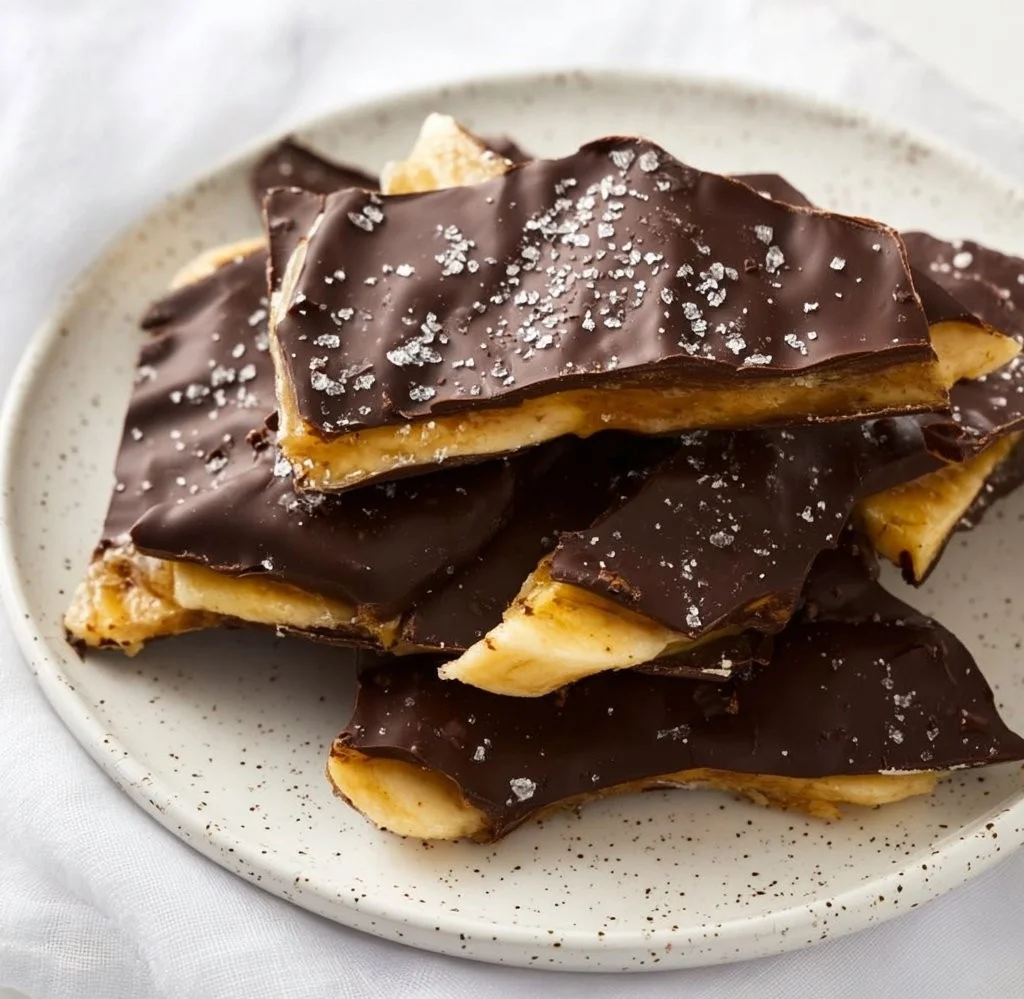
This Viral Banana Bark is a simple frozen snack made from bananas, creamy peanut butter, and a chocolate layer—offering fiber from the bananas and a bit of protein and healthy fat from the peanut butter. The recipe is naturally gluten-free when you use certified gluten-free chocolate chips and nut butter, and it’s free from added flours or grains. The banana gives sweetness and potassium, while the chocolate-peanut butter combo delivers familiar flavor and satiety. It’s a great make-ahead item for weeknight snacks, lunchbox treats, or a family-friendly dessert that fits into a safe gluten-free routine.
Ingredients You’ll Need for Viral Banana Bark
Below I expand the core ingredient list into pantry-friendly items and highlight what should be certified gluten-free.
Essentials
- 2–3 ripe bananas — naturally gluten-free, ripe bananas are sweeter and hold together better when frozen.
- 1/2 cup creamy peanut butter — choose a brand that is labeled gluten-free to avoid cross-contact.
- 1 cup chocolate chips (dark or milk) — pick chocolate chips that are explicitly labeled “gluten-free” (some brands are processed in shared facilities).
- 1 teaspoon coconut oil (optional) — helps melt chocolate smoothly but is optional; use virgin or refined coconut oil (both are gluten-free).
- Pinch of sea salt — enhances chocolate and peanut butter flavors.
Notes: All of the items above are inherently gluten-free, but chocolate chips and nut butters are sometimes produced in facilities that handle wheat. I recommend certified gluten-free labels for those two items if you must avoid any cross-contact.
Optional Add-ons
- Chopped nuts (e.g., toasted walnuts, almonds, or pecans) — naturally gluten-free, but buy loose or certified if cross-contact is a concern.
- Unsweetened shredded coconut — adds texture and flavor.
- Chia seeds or hemp seeds — boost fiber, omega-3s, and plant protein.
- Drizzle of sunflower seed butter or tahini — for variety or nut-free options (see substitutions).
- A few freeze-dried berries, crushed — bright, tart contrast to the sweet bark.
- Crushed gluten-free cereal or certified gluten-free granola — for crunch (only use certified gluten-free products).
Substitutions and Gluten-Free Adjustments
- Peanut butter swap: Use almond butter, cashew butter, or a seed butter (sunflower or pumpkin seed) if you have peanut allergies. Choose a label that states “gluten-free” or “made in a dedicated facility” when possible.
- Chocolate chips: Use dark chocolate bars chopped into chips or certified dairy-free chocolate if you need vegan or dairy-free options. Always confirm gluten-free labeling.
- Coconut oil: You can omit it if you prefer; it only helps chocolate flow and set smoothly.
- Salt: If you’re on a lower-sodium diet, skip the pinch or use a very light sprinkle of kosher salt.
Any swap should still be checked for a gluten-free certification or clear labeling about shared equipment if cross-contact is a concern. I always recommend replacing ingredients with single-ingredient, clearly labeled products when possible.
Ingredient alternatives for allergies or availability
If you or someone you cook for has other allergies, or if certain items are unavailable, here’s how to keep the recipe safe and gluten-free while accommodating needs.
- Nut allergies: Replace peanut butter with a seed butter like sunflower seed butter or tahini. Both are naturally gluten-free, but read the label—some seed butter makers share lines with gluten-containing products.
- Dairy allergies: Use dairy-free or vegan chocolate that is labeled gluten-free. Many dark chocolates are dairy-free, but check labeling for shared equipment warnings.
- Soy sensitivity: Some chocolate chips and peanut butters include soy lecithin. If you avoid soy, look for soy-free and gluten-free labels.
- Gluten-free crunch: If you want a crunchy topping, use chopped nuts, seeds, or certified gluten-free granola. Avoid standard granolas or cereal unless they’re explicitly labeled gluten-free.
- Packaged mixes/toppings: Any packaged add-on (granola, crushed cookies, or cereal) must be certified gluten-free. Phrases to watch for: “may contain wheat,” “processed in a facility that also processes wheat,” or “contains wheat” — avoid those.
Notes on avoiding hidden gluten sources:
- Read labels carefully. Manufacturers sometimes change recipes or facility practices.
- Words like “malt” or “wheat-derived flavors” indicate gluten-containing ingredients.
- When in doubt, choose single-ingredient whole foods (bananas, nuts, seeds) or brands with clear gluten-free certification.
- If you’re preparing this for someone with celiac disease, prioritize certified gluten-free labels for processed ingredients and avoid products with “May contain” or “shared equipment” warnings.
How to Make Viral Banana Bark Step-by-Step
I’ve broken this down into clear, beginner-friendly steps with gluten-free safety reminders so you can prepare this snack with minimal fuss and minimal cross-contact risk.
- Prep your workspace and tools for gluten-free safety.
- Clean counters, utensils, and a baking sheet thoroughly to remove crumbs or residue from gluten-containing foods.
- Use fresh parchment paper or a silicone baking mat. If you have a set of gluten-free-only tools, use them; if not, wash everything well before starting.
- Line a baking sheet.
- Place a sheet of parchment paper or a clean silicone mat on a baking sheet. This helps the bark release cleanly and avoids any stickiness that might trap crumbs.
- Slice the bananas.
- Peel 2–3 ripe bananas and slice into thin rounds (about 1/4 inch thick) or halve them lengthwise if you prefer bigger pieces. Thinner rounds freeze faster and make crisp bark; halves make chunkier pieces.
- Work with fresh, clean cutting board and knife that haven’t been used for gluten-containing foods, or wash and sanitize them first.
- Arrange the banana slices.
- Place the banana slices on the parchment in a single layer, arranging them close together so the peanut butter and chocolate bridge between pieces when frozen. For thicker clusters, slightly overlap slices.
- Spread the peanut butter.
- If your peanut butter is very stiff, stir it to a spreadable consistency first. Use a clean spoon or offset spatula and spread a thin layer of peanut butter over each banana slice. A thin coating works best—too thick and the freezing time increases; too thin and you lose the peanut-butter flavor.
- If you’re preparing for someone with strict gluten safety needs, use a dedicated spatula for nut butter to prevent cross-contact.
- Melt the chocolate.
- Put 1 cup of chocolate chips in a microwave-safe bowl. Add 1 teaspoon of coconut oil if using—it helps the chocolate melt smoother and set with a nice shine.
- Melt in 30-second intervals on medium power, stirring well between intervals. Stop when the chocolate is mostly melted and stir until smooth. Alternatively, use a small saucepan over low heat or a double boiler, stirring frequently.
- Ensure the bowl and spoon used are clean and free from crumbs of other foods.
- Drizzle the chocolate.
- Use a spoon or a small piping bag to drizzle the melted chocolate evenly over the peanut-butter-covered bananas. You can fully coat them or do a decorative drizzle—both freeze well.
- Finish with a pinch of sea salt.
- A light sprinkle of sea salt on the chocolate heightens flavor. Salt is optional but tasty.
- Freeze until firm.
- Place the baking sheet in the freezer and freeze for at least 2–3 hours, or until the chocolate and peanut butter are solid.
- Keep the freezer door closed as much as possible so the bark sets evenly.
- Break into pieces and store.
- Once firm, remove from the freezer and, using clean hands and a clean knife or your hands, break or cut the bark into pieces. Transfer to an airtight container or freezer-safe bag and store in the freezer for up to 2–3 weeks.
- When serving, let the pieces sit at room temperature for a few minutes if you prefer them less hard, but always return leftovers to the freezer promptly to keep texture and prevent spoilage.
Cross-contamination precautions I follow:
- Wash hands thoroughly before starting and after handling any gluten-containing food earlier in the day.
- Use clean utensils and a clean workspace. If you share kitchen space with others who consume gluten, wipe down surfaces with soap and hot water before you begin.
- Keep the finished bark in a dedicated container in the freezer, away from loose crumbs or packaged items that might carry gluten.
Common Mistakes to Avoid
Even simple recipes can accidentally introduce gluten or suffer texture problems. I focus on practical ways to keep this snack safe and enjoyable without overcomplicating it.
Mistake 1: Overlooking labels and cross-contact
Assuming plain-sounding ingredients are always safe. Processed items like chocolate chips or nut butters can be made in facilities that process wheat. I always check for “gluten-free” certification or clear “free from” statements, and avoid any product labeled “may contain wheat” if I’m serving someone with celiac disease.
Mistake 2: Incorrect texture from peanut butter
Using peanut butter that’s too thick or too oily. If the peanut butter is overly runny, the chocolate may slide off; if it’s rock-hard, it can be difficult to spread thinly. Stir natural peanut butter to a creamy consistency before using, or warm it slightly in the microwave for 10–15 seconds to make spreading easy.
Mistake 3: Freezing and storage errors
Not freezing long enough or storing bark near gluten-containing snacks. If the bark isn’t fully set, it can become sticky and messy. Also, store the bark in a sealed container and keep it separate from any gluten-containing items in the freezer to prevent accidental contamination.
Serving Suggestions for Viral Banana Bark
This treat is versatile and easy to include in balanced gluten-free snacks and meals. Here are realistic ways I like to serve it.
Snack plates and balanced mini-meals
Pair a few pieces of Viral Banana Bark with a small portion of plain Greek yogurt (or dairy-free yogurt) and a handful of berries. This balances protein, fruit, and a sweet treat in a gluten-free snack plate that’s satisfying and portable.
Breakfast and topping ideas
Crumble a couple of pieces over a bowl of gluten-free oatmeal or overnight oats for crunch and chocolate-peanut flavor. The frozen bark softens slightly on warm oatmeal and adds texture without needing extra sweeteners.
Lunchbox and on-the-go packs
Include single pieces of Viral Banana Bark in an insulated lunch bag alongside a small container of nut-free trail mix (if needed), apple slices, or carrot sticks. Keep the bark frozen until leaving home, and it will arrive slightly softened but still delicious.

Conclusion
I want you to feel confident making this Viral Banana Bark at home—it’s simple, naturally gluten-free when you use certified products, and flexible enough to suit allergies and taste preferences. If you’d like another take or inspiration for chocolate-peanut-banana combinations, I often compare versions to find the best texture and balance; a helpful reference is Best Chocolate Peanut Butter Banana Bark Recipe – How To Make …, which inspired some plating ideas I enjoy adapting to strict gluten-free needs. Try it once, then tweak nut butters, chocolate type, or add-ins to make it your signature snack.
FAQs About Viral Banana Bark
Viral Banana Bark is made from naturally gluten-free ingredients (bananas, nut butter, and chocolate). For someone with celiac disease I always recommend using chocolate chips and nut butter that are explicitly labeled “gluten-free” and preparing the recipe with thoroughly cleaned tools and surfaces to avoid cross-contact.
Yes. I often use sunflower seed butter or tahini as safe, nut-free alternatives. Make sure the seed butter is labeled gluten-free and check for “may contain” or shared-processing warnings. Taste and texture will be slightly different but still delicious.
I store Viral Banana Bark in an airtight container or freezer-safe bag for up to 2–3 weeks for best taste and texture. Keep it well-sealed and away from gluten-containing items in the freezer to prevent contamination. Thaw a few minutes at room temperature before eating if you prefer a softer texture.
I recommend starting with fresh, ripe bananas sliced just before assembly. If you must use previously frozen bananas, thaw them completely and pat dry—excess moisture can make the peanut butter and chocolate slip and affect texture. Fresh-sliced bananas freeze cleaner and produce the best bark.
Yes, as long as you choose dairy-free or vegan chocolate chips that are also labeled gluten-free. Use a plant-based nut or seed butter if you want a fully vegan treat. Double-check labels for both dairy and gluten-free certification if you have strict dietary needs.
Viral Banana Bark
Ingredients
Method
- Clean your workspace and tools to remove any gluten residue.
- Line a baking sheet with parchment paper or a clean silicone mat.
- Peel 2–3 ripe bananas and slice them into thin rounds (about 1/4 inch thick).
- Arrange the banana slices on the baking sheet in a single layer.
- Spread a thin layer of creamy peanut butter over each banana slice.
- Melt 1 cup of chocolate chips in a microwave-safe bowl, optionally adding 1 teaspoon of coconut oil.
- Melt in 30-second intervals, stirring until smooth.
- Drizzle or coat the melted chocolate over the peanut butter-covered bananas.
- Sprinkle a pinch of sea salt on top.
- Freeze the baking sheet for at least 2–3 hours until firm.
- Once firm, break the bark into pieces and store in an airtight container or freezer-safe bag.