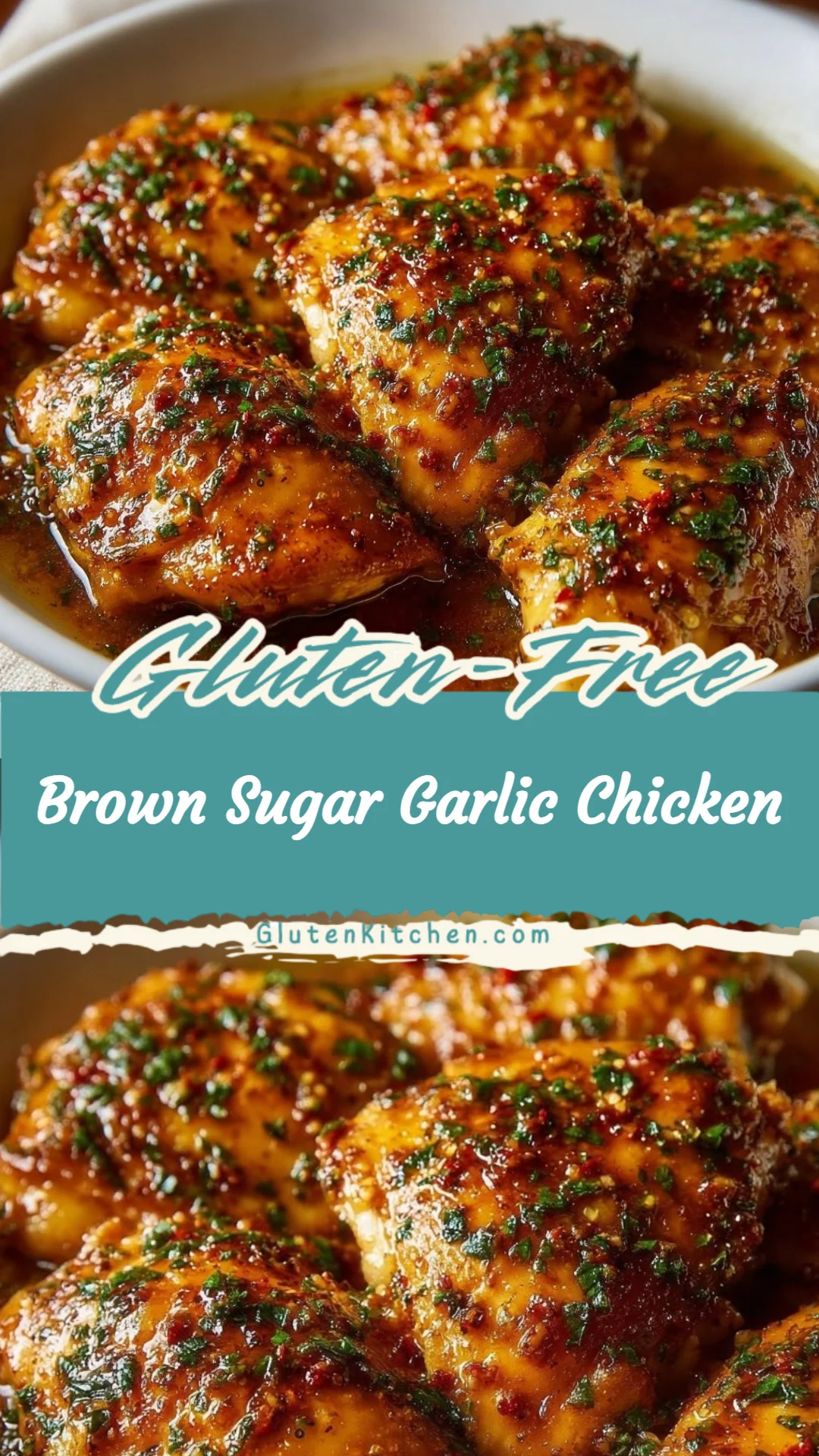
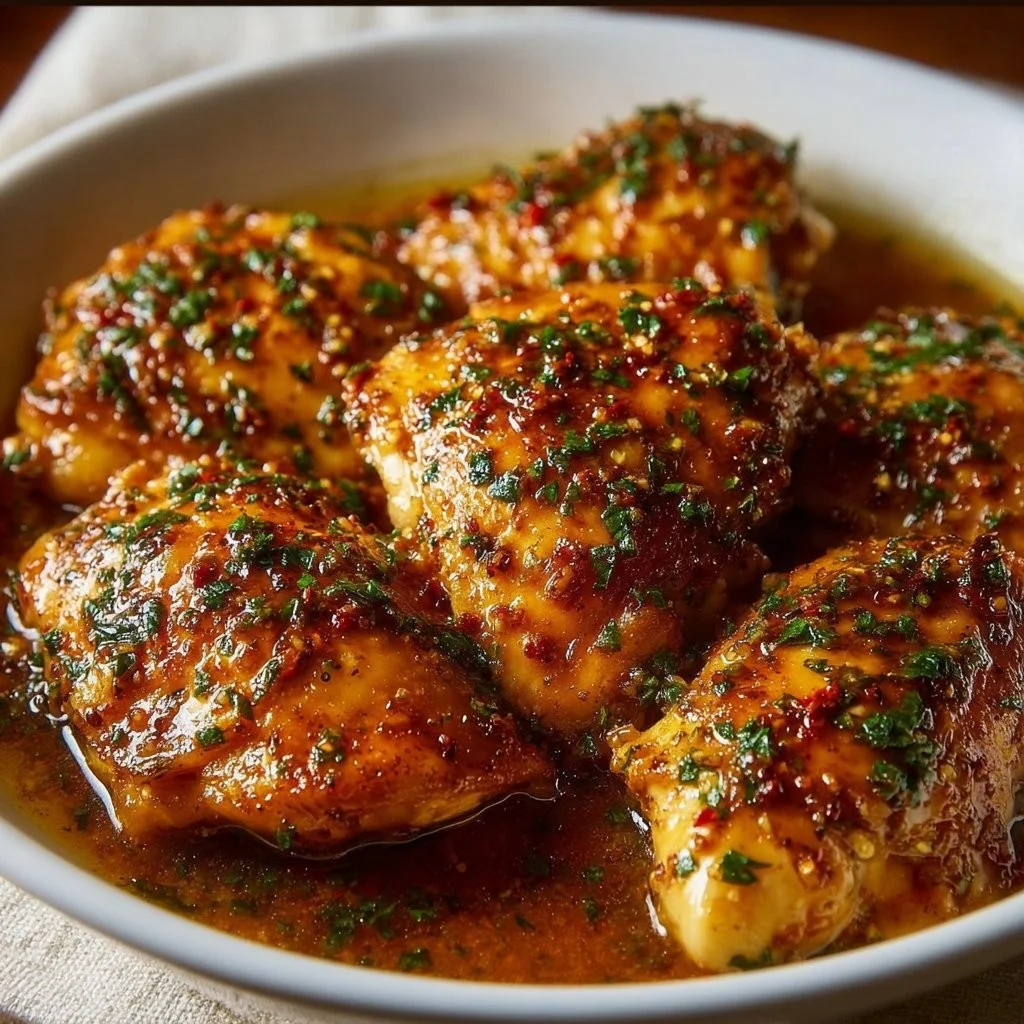
Brown Sugar Garlic Chicken
There are evenings when I come home tired and the small ritual of cooking feels like a soft blanket — the kind you wrap yourself in and instantly relax. One of those nights led me to this Brown Sugar Garlic Chicken: sweet brown sugar, a whisper of garlic, and simple pantry spices coming together in a warm oven. If you ever worry about timing, seasoning, or keeping dinner both gluten-free and unfussy, this recipe is for you. If you like the idea of a gentle twist on weeknight chicken, you might also enjoy my Caprese chicken recipe, which is the kind of simple, comforting meal I turn to again and again.
A Quick Look at This Brown Sugar Garlic Chicken Recipe
Warm brown sugar and garlic powder are the familiar duo that define this dish, with a little black pepper to balance the sweetness. It’s a simple, forgiving oven-baked chicken that reliably produces juicy texture and a caramelized top — perfect for busy weeknights. Because the ingredients are straightforward and naturally gluten-free, it’s a dependable option for anyone cooking gluten-free at home. Keep reading for tips on timing, optional add-ins, and easy sides to make it a full, cozy meal.
Ingredients You’ll Need for Brown Sugar Garlic Chicken
Essentials
- 3–4 boneless, skinless chicken breasts (about 1.5–2 pounds total) — choose similar-sized breasts for even cooking.
- 1/4 cup packed brown sugar — light or dark both work; it creates that lovely caramelized crust.
- 1 teaspoon garlic powder — the garlic backbone of the flavor.
- 1/4 teaspoon freshly ground black pepper — just enough to cut the sweetness.
- A pinch of salt (optional) — if your chicken is unsalted, a light pinch helps the flavors pop.
- 1 tablespoon olive oil or melted butter (optional) — helps the sugar stick and encourages browning.
All of the ingredients above are naturally gluten-free. If you prefer, use labeled gluten-free versions of items like garlic powder or butter spreads — most standard pantry brands are fine.
Optional Add-ons
(Simple extras that add comfort or flavor)
- 1/2 teaspoon smoked paprika — a cozy, smoky note that plays beautifully with brown sugar.
- 1/2 teaspoon onion powder — adds savory depth.
- 1 teaspoon Dijon mustard — brings a subtle tang that balances sweetness (use a gluten-free Dijon).
- Fresh herbs (parsley, thyme, or rosemary) — scattered over the finished chicken for freshness.
- Lemon wedges — a squeeze brightens each bite.
- Vegetables to roast (baby potatoes, carrots, or green beans) — roast alongside the chicken to make it a one-pan meal.
All optional add-ins I suggest are gluten-free. I like to keep them optional so you can use what’s on hand.
Substitutions and Shortcuts
(Home-cook friendly swaps that keep things easy)
- Chicken pieces: If you prefer thighs, bone-in or boneless work fine — adjust cooking time (thighs often need a few extra minutes).
- Brown sugar substitute: Coconut sugar is a fine swap if you want a slightly different flavor profile, but the caramelization will be similar.
- Garlic: If you’d rather use fresh garlic, mince 2 cloves and mix with the oil before coating the chicken, but omit additional garlic powder to avoid overpowering.
- Quick glaze: If you’d like a saucier finish, stir 1 tablespoon of Dijon into 2 tablespoons of warm water, spoon over the chicken in the last 5 minutes of baking, and broil briefly — keep a close eye so it doesn’t burn.
- Time-saver: Use a sheet pan and slice chicken thinly into cutlets for faster cooking — reduce bake time and check temperature early.
These swaps keep the recipe friendly and simple, so you don’t have to chase specialty items to get a comforting result.
How to Make Brown Sugar Garlic Chicken Step-by-Step
I like to break this into calm, clear steps so you can cook without rushing. The goal is an easy, hands-on approach that leaves room for small adjustments and no stress.
Bring the chicken close to room temperature.
- Take the chicken out of the fridge for 15–20 minutes while you preheat the oven. Pat each piece dry with paper towels so the sugar mixture will stick better. This small step helps with even cooking and a nicer crust.
Preheat and prepare.
- Heat your oven to 375°F (190°C). Lightly grease a baking dish or line a rimmed baking sheet with parchment paper for easy cleanup. If you’re roasting vegetables with the chicken, arrange them so they sit evenly and won’t crowd the chicken.
Mix the brown sugar coating.
- In a small bowl, stir together the brown sugar, garlic powder, and black pepper. If you’re using optional add-ins like smoked paprika or onion powder, mix them in now. If you chose the olive oil or melted butter, drizzle it over the chicken or add it to the sugar mix to make a slightly sticky paste — it helps the sugar adhere and encourages caramelization.
Coat the chicken.
- Press the sugar mixture onto both sides of each chicken breast, coating them well but not packing the sugar on so thick it falls off. Place the coated breasts in the prepared baking dish in a single layer, leaving a little space between them so hot air circulates.
Bake gently and check early.
- Bake for 25–30 minutes, but start checking at 22–23 minutes if your breasts are on the smaller side or if you sliced them thin. The safest way to know they’re done is an instant-read thermometer: the chicken should reach an internal temperature of 165°F (74°C) at the thickest part. If you don’t have a thermometer, slice into the thickest piece — the juices should run clear and the meat should be opaque.
Rest and finish.
- Remove the chicken from the oven and let it rest for 5–10 minutes. This helps the juices redistribute, so your chicken stays moist. Squeeze a lemon wedge over each breast for a bright finish, and sprinkle chopped fresh herbs if you like.
Serve and enjoy.
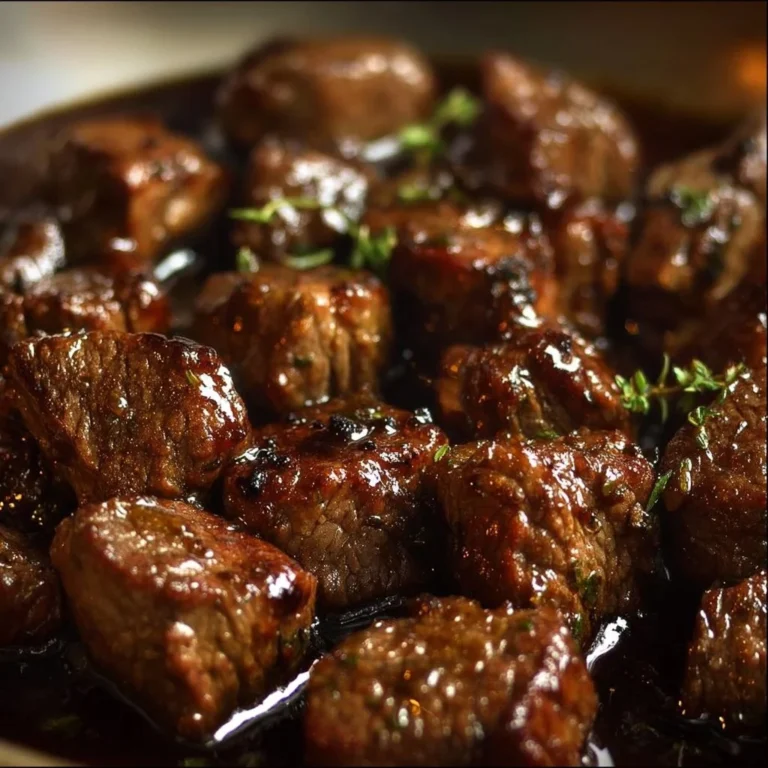
- Slice the chicken or serve the breasts whole with roasted vegetables or a simple salad. The caramelized sugar will be slightly sticky on the outside and mellowly sweet-salty inside — a comforting, homey flavor that pairs well with many sides.
These steps are intentionally forgiving — the trick is to keep an eye on the internal temperature and give the chicken a short rest before serving. That’s where juiciness comes from.
Common Mistakes to Avoid
Mistakes are part of cooking — I’ve made plenty myself — and they teach you how to relax into the process. Below are three common things to watch for with this Brown Sugar Garlic Chicken, along with simple fixes that save the meal without drama.
Mistake 1: Dry, overcooked chicken
If the chicken ends up dry, it usually means it was left in the oven too long or the pieces were uneven in size. To avoid this, I gently pound thicker breasts to an even thickness or choose cutlets for a faster cook. Use an instant-read thermometer to pull the chicken right at 165°F (74°C) and let it rest; the carryover heat will finish the job without drying it out.
Mistake 2: Over-seasoning or under-seasoning
Because brown sugar adds sweetness, it’s easy to under-season the savory side of the dish. Taste your salt sparingly when you can (if you’re using a dry-brined chicken, reduce additional salt). If you’re worried about over-seasoning, start with small amounts of optional spices like smoked paprika and adjust next time — seasoning is personal, and it’s okay to adapt.
Mistake 3: Ingredient substitutions that change texture
Swapping too many elements at once can alter the final result. For example, using a liquid sweetener like honey instead of brown sugar will produce a different glaze and could burn faster. If you swap ingredients, change one thing at a time and adjust cooking time and temperature as needed. Coconut sugar or a light sprinkle of brown sugar mixed with a tiny bit of olive oil are safer swaps for texture.
Remember: the recipe is forgiving. If something goes off-script, note it and try a small adjustment next time.
Serving Suggestions for Brown Sugar Garlic Chicken
This chicken feels like a warm hug on a plate, and it pairs beautifully with simple, gluten-free sides that keep dinner relaxed and satisfying. Here are three easy serving ideas to make a full, comforting meal without fuss.
Cozy, comfort-style sides
Serve the chicken with roasted baby potatoes tossed in olive oil, salt, and a sprinkle of rosemary. The potatoes roast alongside the chicken and soak up a bit of the caramelized flavor, which feels homey and comforting. Steamed green beans or buttered carrots make gentle, familiar companions.
Everyday family meals
For an easy family-style dinner, slice the chicken and lay it over mashed potatoes or a creamy polenta (use gluten-free cornstarch or certified polenta if needed). Add a simple side salad with a lemony vinaigrette to cut the sweetness, and you’ve got a plate many palates will accept without stress.
Casual, no-fuss plating
If you need a quick weeknight setup, place the chicken on a bed of cooked rice or quinoa, spoon any pan juices over the top, and serve with a wedge of lemon. Throw in a handful of fresh herbs or a quick cucumber-tomato salad for freshness. This makes for easy leftovers, too.
These serving ideas are about warmth and simplicity — no complicated steps, just reliably good food.
Conclusion
I hope this Brown Sugar Garlic Chicken becomes one of those recipes you reach for when you want a warm, effortless meal that stays gluten-free and familiar. If you’d like a slow-cooker version for even less hands-on time, I found a lovely adaptation at Slow Cooker Brown Sugar Garlic Chicken – Dinner, then Dessert that keeps the same cozy flavors with a set-it-and-forget-it approach. I’d love to hear how you make this recipe your own — whether that’s adding thyme, roasting different veggies, or serving it with a favorite grain.
FAQs About Brown Sugar Garlic Chicken
Yes — Brown Sugar Garlic Chicken is naturally gluten-free, but when using pre-mixed or packaged spice blends, check the label to ensure they are certified or labeled gluten-free. Many single-ingredient spices (garlic powder, paprika) are naturally gluten-free, but blends can include anti-caking agents or flavor carriers that sometimes contain gluten.
Absolutely. I designed this Brown Sugar Garlic Chicken to be forgiving: simple steps, few ingredients, and a clear temp target (165°F/74°C). If you’re new to cooking, follow the step-by-step approach, use an instant-read thermometer if possible, and don’t be afraid to rest the chicken before serving.
To avoid burning, make sure the chicken pieces are similar in thickness so they cook evenly. If the top is browning too quickly while the inside isn’t done, tent the chicken loosely with foil for part of the baking time and remove it for the final 5–8 minutes to re-crisp the top. Using olive oil or butter helps promote browning but keep an eye on the finish.
Yes — this Brown Sugar Garlic Chicken reheats well. Slice it and store in an airtight container with any pan juices or a little olive oil to keep it moist. Reheat gently in the oven at 300°F (150°C) or in a skillet over low heat to preserve texture. It’s great cold in salads, too.
If you find the chicken a touch too sweet, add a small spoonful of Dijon mustard to the sugar mixture before coating, or finish with a bright squeeze of lemon when serving. You can also reduce the brown sugar slightly or increase garlic powder and black pepper to create a more balanced flavor.
I’ve shared this recipe with a few small notes I’ve learned over time — mostly about being gentle with timing and relying on taste rather than perfection. Make it your own, and let the kitchen become that small, comforting place where dinner feels like a calm ritual.
Brown Sugar Garlic Chicken
Ingredients
Method
- Bring the chicken close to room temperature by taking it out of the fridge for 15–20 minutes while preheating the oven.
- Pat each piece dry with paper towels to help the sugar mixture stick better.
- Heat the oven to 375°F (190°C) and lightly grease a baking dish or line a baking sheet with parchment paper.
- If roasting vegetables, arrange them evenly without crowding the chicken.
- In a small bowl, stir together the brown sugar, garlic powder, and black pepper.
- Add optional ingredients if desired, and mix well.
- Drizzle olive oil or melted butter over the chicken or mix it with the sugar for a sticky paste.
- Press the sugar mixture onto both sides of each chicken breast, making sure to coat them well.
- Place the coated breasts in a prepared baking dish in a single layer.
- Bake for 25–30 minutes, checking at 22–23 minutes if cuts are smaller or thinner.
- Ensure the chicken reaches an internal temperature of 165°F (74°C) and the juices run clear.
- Remove chicken from the oven and let it rest for 5–10 minutes to redistribute juices.
- Squeeze a lemon wedge over each breast and sprinkle fresh herbs if desired.
- Slice the chicken or serve it whole with sides like roasted vegetables or salad.