Gluten Free Crab Rangoon
Living gluten-free means I look for snacks and small plates that deliver comfort and confidence — food that settles well and doesn’t force me to second-guess labels. One common worry I hear from readers is hidden gluten (in sauces, seasonings, or wrappers) and cross-contamination in shared kitchens. I want to reassure you: this Gluten Free Crab Rangoon recipe is straightforward, uses easily sourced certified gluten-free ingredients, and includes simple safety steps so you can enjoy a crispy, creamy appetizer without guesswork. If you enjoy crispy, made-from-scratch gluten-free treats, you might also like my gluten-free churros recipe for another safe and satisfying option.
A Quick Look at This Gluten Free Crab Rangoon Recipe
This Gluten Free Crab Rangoon is a creamy, protein-forward appetizer built around lump crabmeat and cream cheese for satisfying flavor and texture. It delivers a balance of protein and fat with modest carbs from gluten-free won ton wrappers — a filling option that can fit into balanced meal plans when paired with vegetables or a salad. The recipe uses certified gluten-free ingredients where it matters (won ton wrappers, tamari, Worcestershire), and I explain label checks so you can avoid hidden gluten. It’s family-friendly, great for weeknight entertaining, and simple enough to make in batches for meal prep or party trays.
Ingredients You’ll Need for Gluten Free Crab Rangoon
Essentials
- 1 recipe gluten free won ton wrappers — buy or make wrappers that are labeled or certified gluten-free.
- 1 package (8 ounces) cream cheese, block-style, at room temperature — check the label for “gluten-free” when in doubt.
- 1 container crème fraîche — usually gluten-free, but check your brand.
- 2 tablespoons confectioner’s (powdered) sugar — starch can be a hidden source of gluten in some countries; use a labeled gluten-free brand if concerned.
- 2 tablespoons tamari (or gluten-free soy sauce) — tamari can be naturally lower in wheat but only trust brands labeled gluten-free.
- 1 tablespoon gluten-free Worcestershire sauce — many Worcestershire sauces contain malt or other gluten-containing ingredients; choose a certified gluten-free variety.
- 2 cloves garlic, peeled and minced — fresh garlic is naturally gluten-free.
- 1 can lump crabmeat — check for fillers; choose canned crabmeat that lists only crab, salt, and water (if applicable).
- Oil for frying (neutral oil with a high smoke point such as canola, vegetable, or refined avocado oil) — oils are generally gluten-free but avoid flavored oils that may contain additives.
Optional Add-ons
- Finely chopped scallions or chives for brightness (sprinkled in the filling or on top).
- A squeeze of lemon or 1 teaspoon lemon zest to lift the seafood flavor.
- A pinch of white or black pepper, or a dash of paprika for mild warmth.
- Gluten-free sweet chili sauce or a homemade dipping sauce (see serving suggestions).
- Sesame seeds (toasted) for garnish — ensure packaged seeds are labeled gluten-free if cross-contact is a concern.
Substitutions and Gluten-Free Adjustments
- Won ton wrappers: Always use wrappers specifically labeled gluten-free. Many recipes for homemade wrappers use rice or tapioca-based doughs — but unless labeled gluten-free, store-bought wheat wrappers are unsafe.
- Tamari: If tamari isn’t available, use a labeled gluten-free soy sauce or coconut aminos for a soy-free option.
- Worcestershire sauce: Use a labeled gluten-free bottle. If you can’t find one, a mix of tamari and a small splash of apple cider vinegar (gluten-free) can mimic the tang.
- Dairy: If you need to avoid dairy, use a firm, plain dairy-free cream cheese alternative made from almond or coconut that’s labeled gluten-free, and swap crème fraîche for a thick coconut yogurt (chilled to thicken). Note: flavor and texture will differ from the original.
- Crab: If you or guests have shellfish allergies, swap crab with finely shredded cooked chicken breast or jackfruit for a vegetarian option — both must be checked for gluten in any packaged form.
All ingredients listed here should be 100% gluten-free; I recommend choosing certified gluten-free labels for won ton wrappers, tamari/soy sauce, and Worcestershire sauce to avoid hidden sources of gluten.
Ingredient alternatives for allergies or availability
When shopping and prepping, a few ingredients commonly cause confusion or hidden gluten exposures. Here’s how I handle those situations:
- Won ton wrappers: These are the most critical item. Only use wrappers labeled “gluten-free” or make a rice-based wrapper from a reliable gluten-free recipe. Regular wheat wrappers are unsafe for people with celiac disease or gluten sensitivity.
- Sauces and condiments: Tamari and Worcestershire are common culprits. Brands vary — always scan labels for barley malt, wheat, or “contains wheat.” If the label doesn’t say “gluten-free,” reach for a certified bottle or substitute with coconut aminos plus a little vinegar for acidity.
- Canned crabmeat: Some canned seafood can include additives or binders. Choose cans that list only crabmeat and minimal extra ingredients (water, salt). If the label includes “wheat” or modified food starch, avoid it.
- Dairy alternatives: If you need dairy-free options, choose plant-based cream cheese and crème fraîche alternatives that are explicitly labeled gluten-free. Read ingredient lists for maltodextrin or other additives that can sometimes be wheat-derived (though in many countries maltodextrin is corn-based; check with the manufacturer if in doubt).
- Cross-contact in the store or kitchen: When purchasing bulk or loose items (like sesame seeds or spices), be mindful of shared bins or grinders. Buy packaged, sealed items with gluten-free labeling to reduce risk.
If you have multiple allergies (for example, shellfish + gluten), pick substitutes that cover both needs (shredded chicken + certified gluten-free seasonings) and keep preparation surfaces and utensils separate.
How to Make Gluten Free Crab Rangoon Step-by-Step
Below I’ve broken the recipe into clear, beginner-friendly steps. I emphasize safety, timing, and cross-contamination precautions where they matter.
Prep and safety first
- Clean and clear work area: Wipe down countertops, cutting boards, and utensils with soap and water before you start. If you keep separate gluten-free utensils, use them now. I always keep a designated cutting board and spoon for gluten-free prep if I’m cooking in a shared kitchen.
- Gather and check labels: Lay out all ingredients and double-check that your won ton wrappers, tamari, and Worcestershire sauce are labeled gluten-free. Set out a small bowl of lukewarm water for sealing wrappers.
- Heat oil later: I don’t heat oil until I have several filled rangoons ready to fry — this reduces time pressure and helps control splatters.
Make the filling
4. Soften the cream cheese: Place the 8 oz block of cream cheese at room temperature for about 20–30 minutes before starting, or cut into small cubes to speed softening. This gives you a smooth filling without overbeating.
5. Combine base ingredients: In the bowl of a stand mixer fitted with the paddle attachment, or in a large bowl with a hand mixer, add the cream cheese, the container of crème fraîche, and 2 tablespoons confectioner’s sugar. Beat on medium speed until smooth and well combined. Scrape the sides with a spatula to ensure even mixing.
6. Season the filling: Add 2 tablespoons tamari (gluten-free), 1 tablespoon gluten-free Worcestershire sauce, and the minced 2 cloves garlic. Beat briefly until fully incorporated. Taste and adjust: if you want more tang, add a little lemon; for more saltiness, add a bit more tamari — remember that the crab adds a salty note, so adjust conservatively.
7. Fold in crabmeat: Drain the can of lump crabmeat carefully — use a fine strainer and pick out any shell fragments. With a spatula, gently fold the crab into the cream mixture, being careful not to break up the lumps. You want discernible pieces of crab for texture.
Assemble the rangoons
8. Prepare the work surface: Line a rimmed baking sheet with unbleached parchment paper and set aside. Lay out 6–8 gluten-free won ton wrappers at a time on a parchment-lined work surface to avoid sticking.
9. Set up a sealing station: Place a small bowl of lukewarm water next to the wrappers. Dip clean fingertips into the water to moisten the wrapper edges — this acts as glue.
10. Scoop filling: Use a small teaspoon or a piping bag to place about 1 teaspoon of filling in the center of each wrapper. Don’t overfill — this helps prevent splitting or oil intrusion while frying.
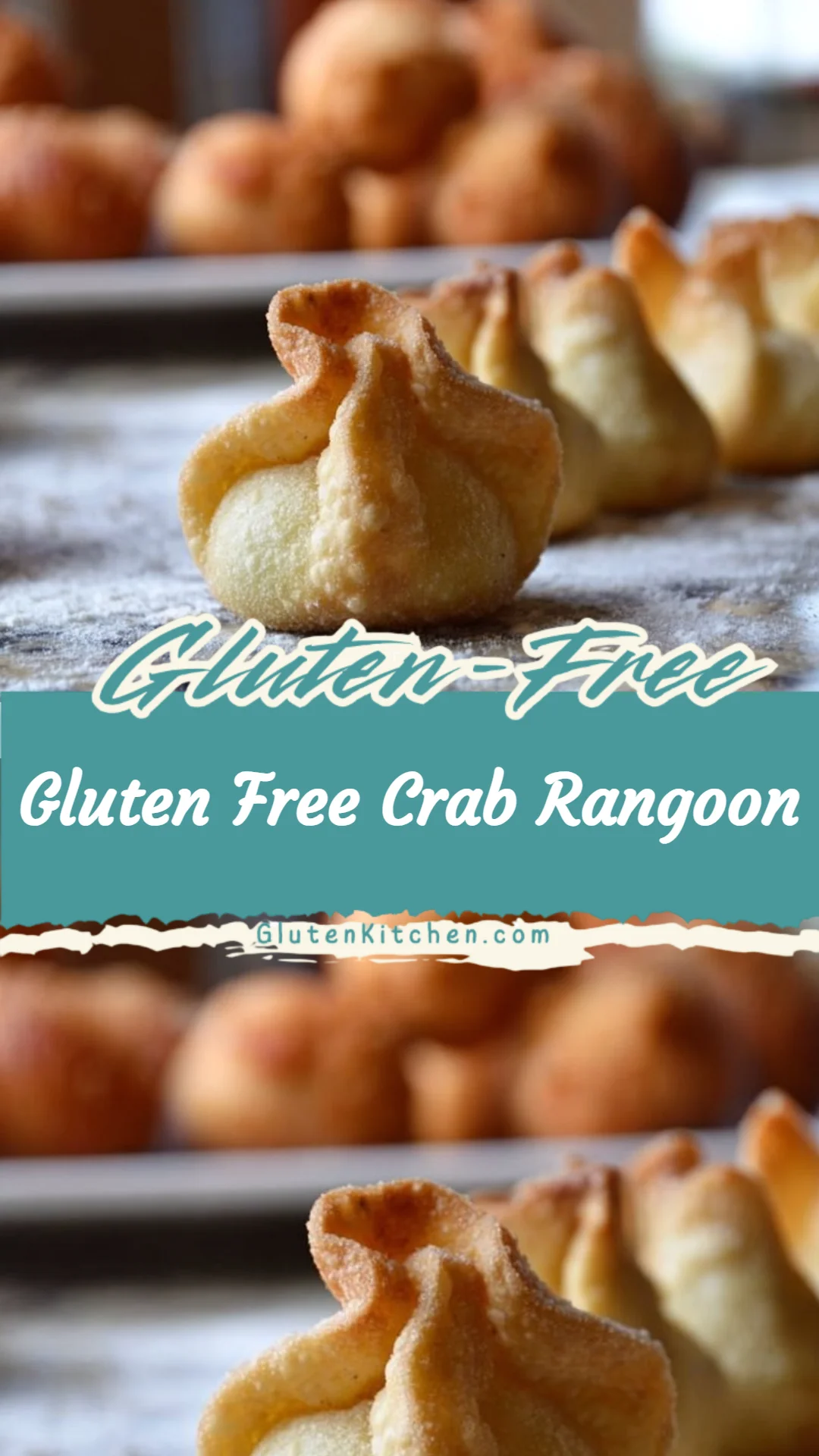
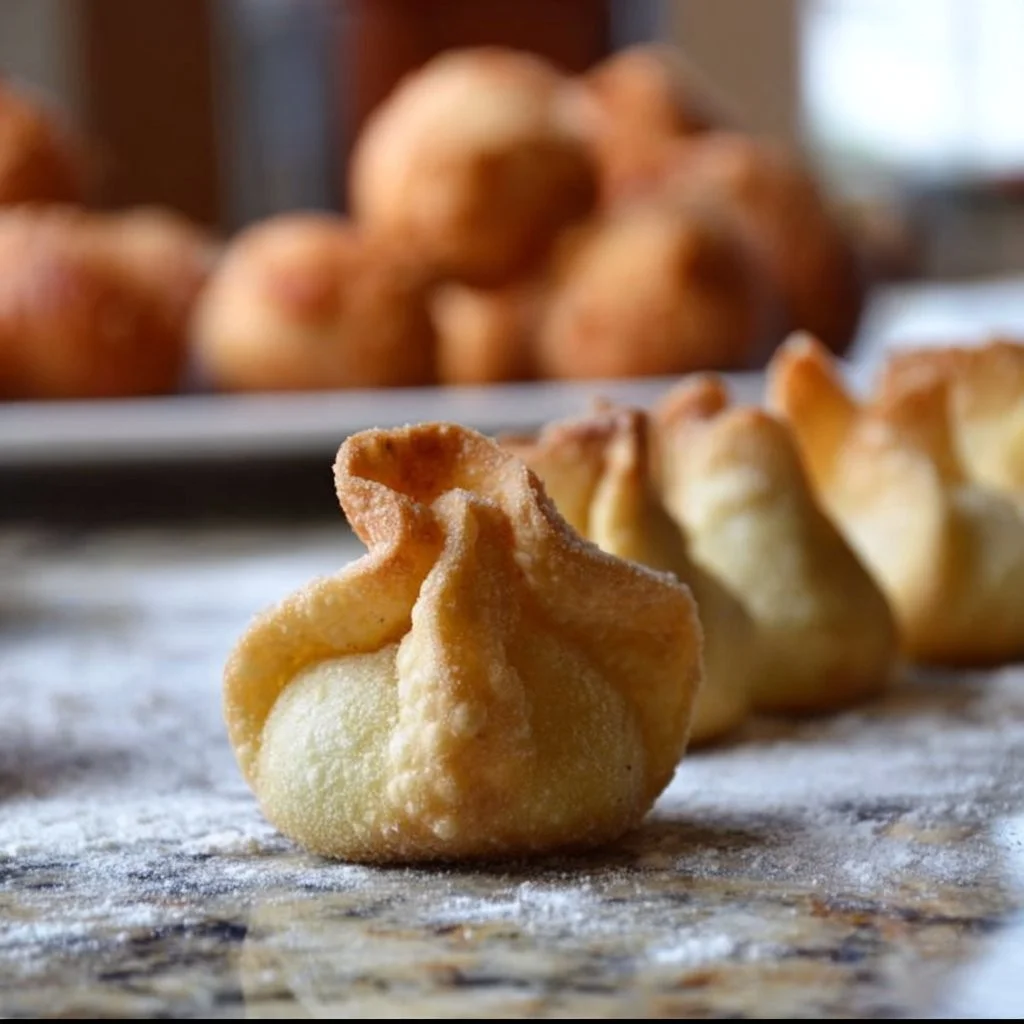
11. Seal the wrappers: Gather the edges of each wrapper toward the center. Press gently to remove trapped air and seal with your moistened fingertips, ensuring edges are tightly closed. Place the filled rangoons about 1 inch apart on the prepared baking sheet. Work in small batches so the wrappers don’t dry out.
12. Dry before frying: Blot the bottom of each filled wonton with a paper towel to remove excess moisture — this reduces oil splatter when frying. Also check for any small tears; patch by pressing with a moistened fingertip or discard and refill that wrapper.
Fry safely and evenly
13. Heat the oil: Use a heavy-bottomed saucepan or deep fryer and add about 3 inches of neutral oil. Attach a candy/deep fry thermometer to the side and heat to 350°F (175°C) over medium heat. I always heat slowly and watch the thermometer so I don’t overshoot.
14. Fry in batches: Place filled won tons into the hot oil carefully, 4–6 at a time depending on your pot size. Don’t crowd the oil — overcrowding drops the temperature and results in greasy rangoons.
15. Fry to golden: Fry for about 2 minutes per side, or until golden brown and crisp all over. Use a spider or slotted spoon to turn them gently if needed.
16. Drain: Remove rangoons with a slotted spoon and place on a paper towel–lined plate to drain excess oil. Keep them in a single layer; stacking will steam the bottoms and soften the crisp exterior.
17. Keep warm and serve: Fry remaining batches and serve immediately for best texture. If you need to hold them briefly, place them on a wire rack in a warm (not hot) oven (about 200°F/95°C) so they stay crisp.
Cross-contamination notes while cooking
- Use clean utensils and tongs for gluten-free food only.
- Never use the same oil for frying gluten-containing foods and gluten-free rangoons unless you dedicate it to gluten-free frying; shared oil can transfer gluten.
- Use separate plates for raw and cooked rangoons, and don’t place cooked rangoons on a surface that previously held wheat-based wrappers.
- If you’re cooking for someone with celiac, avoid frying in a shared fryer that has previously cooked wheat-containing items.
Quick tips
- If you prefer to bake rather than fry, brush the rangoons lightly with oil and bake at 400°F (200°C) for 10–12 minutes, turning once, until browned. Texture will be different (less crisp than deep-fried) but still tasty.
- To save time, prepare the filling ahead and refrigerate in an airtight container for up to 24 hours. Fill and fry just before serving.
Common Mistakes to Avoid
Taking a few simple precautions prevents gluten exposure and keeps the texture of your rangoons excellent. I’ll focus on the three mistakes I see most often and how to avoid them.
Mistake 1: Using wrappers or sauces that aren’t labeled gluten-free
Assuming a product is gluten-free because it “usually is” is risky. Always check the label for “gluten-free” or for ingredients like wheat, barley malt, or modified food starch of unknown origin. For extra caution, choose certified gluten-free brands for won ton wrappers, tamari, and Worcestershire sauce. If you’re serving guests with celiac disease, ask about their comfort level with shared kitchen equipment.
Mistake 2: Overworking the filling or smashing the crab
When you mix the cream cheese mixture, don’t overbeat once the crab is added — folding preserves lumps of crabmeat and yields a better texture. Overmixing makes the filling too homogeneous and pasty. Gently fold the crab in with a spatula and stop when the lumps are well distributed.
Mistake 3: Frying at the wrong temperature or overcrowding the oil
Frying at too low a temperature results in greasy, soggy rangoons; too hot and the exterior burns before the inside heats through. Use a thermometer and maintain around 350°F. Fry in small batches to keep the oil temperature stable and to ensure even browning.
Serving Suggestions for Gluten Free Crab Rangoon
These rangoons are indulgent and best enjoyed with simple, balanced sides that round out the meal. I like pairing them with lighter elements to balance the richness.
Start with a short note
I usually serve rangoons with bright, fresh sides and a gluten-free dipping sauce to keep the plate balanced and satisfying without overdoing the fried element.
Light sides and salads
A crisp Asian-style slaw (shredded cabbage, carrot, scallions, rice vinegar, sesame oil) complements the creamy filling. You get fiber and crunch to cut through the richness and make the meal feel more complete.
Dipping sauces (gluten-free)
Offer a selection: a gluten-free sweet chili sauce, tamari-based dipping sauce (tamari + rice vinegar + tiny touch of honey), or a light soy-ginger vinaigrette. Confirm all sauce ingredients are labeled gluten-free. These sauces add bright flavor and encourage portion control — a small amount goes a long way.
Balanced meal pairings
For a heartier plate, serve rangoons alongside steamed jasmine rice or a simple stir-fried vegetable medley (snap peas, bell peppers, mushrooms) cooked with gluten-free tamari. This makes a family-friendly dinner that balances protein, carbs, and vegetables.
Conclusion
I hope this Gluten Free Crab Rangoon recipe gives you a reliable, delicious option for safe gluten-free entertaining and weeknight snacking. I’ve built in label-check reminders and cross-contamination tips so you can prepare these confidently, whether you’re making a small batch for family or a platter for guests. Try it as written first, then adjust seasonings, chip in scallions, or swap crab for cooked chicken if you need an allergen-safe alternative — it’s a flexible recipe that fits many lifestyles. For more inspiration and a classic take on this appetizer from another gluten-free resource, check this version of Gluten free Crab Rangoon.
FAQs About Gluten Free Crab Rangoon
Yes — I recommend using won ton wrappers labeled or certified gluten-free. Labels matter: avoid wrappers made from wheat. Also maintain dedicated utensils and a clean surface to prevent cross-contact in shared kitchens.
You can swap cream cheese and crème fraîche with firm dairy-free cream cheese and a thick coconut yogurt or cultured coconut cream that’s labeled gluten-free. For a vegan “crab,” use seasoned jackfruit or a plant-based seafood substitute that’s certified gluten-free. Expect flavor and texture differences from the original.
Store cooled rangoons in an airtight container in the refrigerator for up to 2 days. To re-crisp, bake in a 375°F (190°C) oven on a wire rack for 8–10 minutes or until warm and crisp. Avoid reheating in a microwave — it makes them soggy.
Yes. Assemble the filled rangoons and flash-freeze them on a parchment-lined tray until firm (about 1–2 hours). Transfer to a sealed freezer bag and freeze up to 1 month. Fry straight from frozen, adding a minute or two to the cooking time and watching oil temperature carefully.
For shellfish allergies, swap lump crabmeat with cooked, finely shredded chicken breast, finely chopped cooked shrimp (only if no shellfish allergy in others), or seasoned jackfruit for a vegetarian option. Make sure any packaged substitute is labeled gluten-free and prepare it with dedicated equipment to avoid cross-contact.
Gluten Free Crab Rangoon
Ingredients
Method
- Clean and clear the work area, wiping down surfaces with soap and water.
- Gather and check labels for gluten-free ingredients.
- Set out a small bowl of lukewarm water for sealing wrappers.
- Soften the cream cheese at room temperature for about 20-30 minutes.
- In a mixing bowl, combine cream cheese, crème fraîche, and confectioner’s sugar. Beat until smooth.
- Add tamari, Worcestershire sauce, and minced garlic. Mix until fully incorporated.
- Gently fold in lump crabmeat without breaking it up too much.
- Line a baking sheet with parchment paper and prepare the won ton wrappers.
- Moisten the edges of each wrapper with lukewarm water.
- Scoop about 1 teaspoon of filling into each wrapper and seal edges tightly.
- Blot the bottoms of each filled wonton with paper towels to remove moisture.
- Heat neutral oil in a deep fryer or heavy-bottomed pot to 350°F (175°C).
- Fry the rangoons in batches for about 2 minutes per side or until golden brown.
- Drain on paper towels and serve immediately.