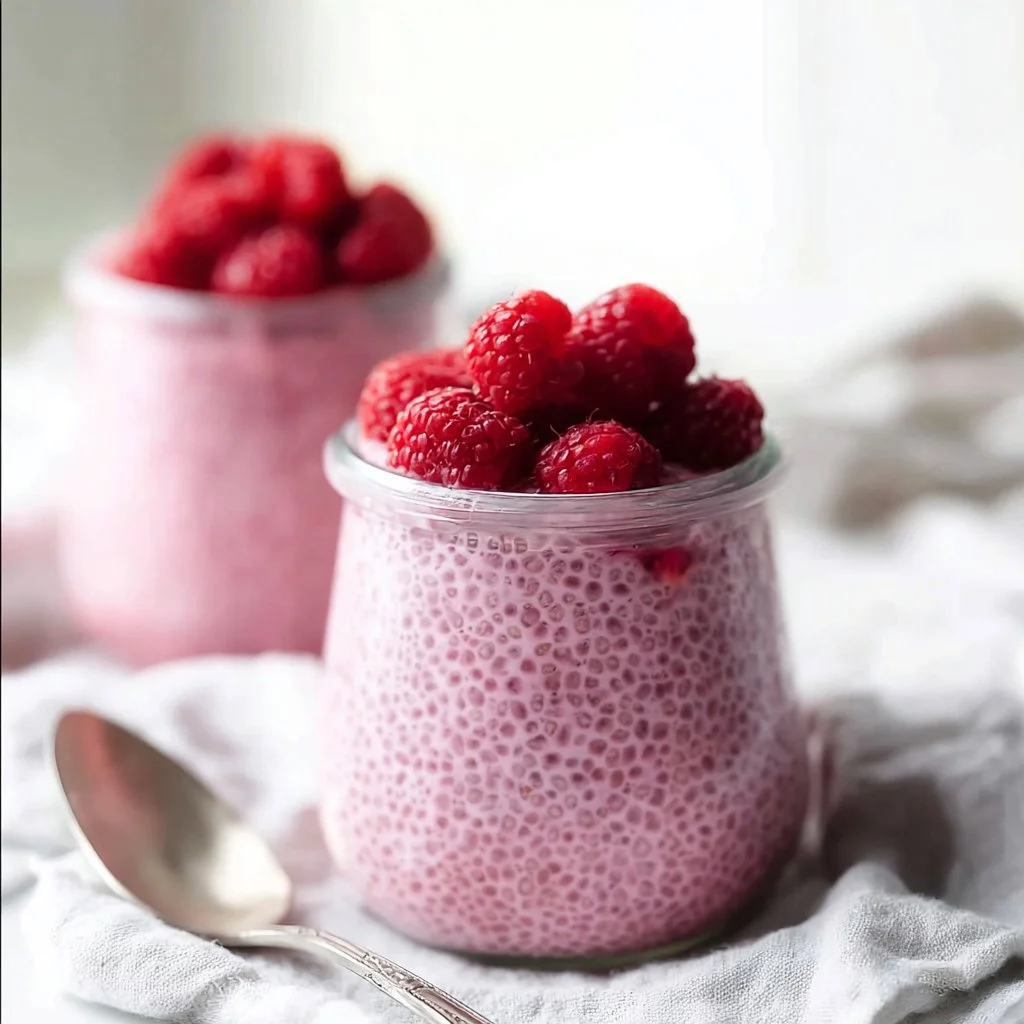
Raspberry Chia Pudding Sweetened with Maple Syrup
A note for gluten-free cooks
I know how freeing it feels to eat breakfast that settles your stomach and doesn’t make label-reading stressful—simple recipes like this Raspberry Chia Pudding Sweetened with Maple Syrup are exactly that kind of relief. I make this when I want a make-ahead, soothing option that’s packed with fiber and gentle on digestion. If you enjoy fruity, portable breakfasts, I also recommend my gluten-free raspberry lemon loaf as another pantry-friendly option for the week. Rest assured: this pudding is easy to make, naturally gluten-free when you use plain, certified ingredients, and forgiving for busy mornings.
A Quick Look at This Raspberry Chia Pudding Sweetened with Maple Syrup Recipe
This Raspberry Chia Pudding Sweetened with Maple Syrup is a nutrient-dense, make-ahead breakfast or snack that offers a good balance of fiber, plant-based omega-3s (from chia), and modest protein when topped with yogurt or nuts. The chia seeds swell in unsweetened almond milk to create a creamy, satisfying texture, while fresh or frozen raspberries bring vitamin C and natural tartness. The recipe is naturally gluten-free; I recommend verifying that packaged ingredients like almond milk, maple syrup, and any mix-ins are labeled gluten-free to avoid cross-contact. It’s quick to assemble for meal prep, family-friendly, and easy to customize for extra protein, texture, or sweetness.
Ingredients You’ll Need for Raspberry Chia Pudding Sweetened with Maple Syrup
Essentials
- 1/4 cup chia seeds — a small jar goes a long way; choose plain, whole chia seeds labeled gluten-free when available. Chia provides soluble fiber and a gel-like texture that thickens the pudding.
- 1 cup unsweetened almond milk (or milk of choice) — check the ingredient label and allergen statement. Unsweetened soy milk, oat milk (see substitutions below), or cow’s milk will all work; pick a certified gluten-free brand if you’re concerned about cross-contact.
- 2 tablespoons pure maple syrup — pure maple syrup is naturally gluten-free, but stick to single-ingredient maple syrup (no added malt or flavorings).
- 1/2 teaspoon vanilla (see note below for alcohol-free options) — vanilla bean paste or vanilla powder are good alcohol-free alternatives.
- 1/2 cup fresh or frozen raspberries (plus more for topping) — fresh when in season, frozen year-round. Frozen raspberries are a safe choice as long as the packaging is plain fruit without mix-ins.
- Pinch of salt (optional) — a little salt boosts flavor; use fine salt and make sure it’s not from a seasoned blend.
Optional Add-ons
- Sliced almonds or chopped nuts — add crunch and a little extra protein; nuts should be plain and from a single-ingredient bag to reduce contamination risk.
- Shredded coconut — unsweetened coconut flakes add texture and mild sweetness; choose a certified gluten-free brand if cross-contact is a concern.
- Additional raspberries or mixed berries for topping — keep toppings simple and single-ingredient.
- Extra drizzle of maple syrup (optional) — for a sweeter finish, but try the pudding first before adding more.
- A dollop of Greek yogurt or plant-based yogurt — adds creaminess and boosts protein. Choose plain yogurt without added flavors or granola.
- Ground cinnamon or lemon zest — a little spice or citrus brightens the flavor.
- Hemp seeds or ground flaxseed — for extra omega-3s and a nutrition boost; use single-ingredient products labeled gluten-free if possible.
Substitutions and Gluten-Free Adjustments
- Milk choices: If avoiding nuts, swap almond milk for unsweetened soy or cow’s milk. If using oat milk, choose certified gluten-free oat milk to avoid cross-contamination with wheat-containing oats.
- Vanilla: To avoid alcohol-containing extracts, use vanilla bean paste, vanilla powder, or scrape one vanilla bean.
- Sweetener: If maple syrup isn’t available, use honey (if not vegan) or a neutral-tasting brown rice syrup labeled gluten-free. Avoid malt syrup or any sweetener containing barley.
- Fruit: Substitute strawberries, blackberries, or a mixed berry blend; just use plain fruit without syrup or added ingredients.
- Thickening: If you prefer a thicker pudding, increase chia to 1/3 cup; for thinner, reduce to 3 tablespoons or add more milk after chilling.
- Add protein: Stir in a scoop of plain protein powder (pea, whey, or collagen—if collagen, ensure it’s from a certified gluten-free source) to increase protein content.
Ingredient alternatives for allergies or availability
- Nut allergies: Use oat milk (certified gluten-free), soy milk, or rice milk instead of almond milk. Always verify brands for cross-contact warnings.
- Dairy-free yogurt: Choose coconut, soy, oat, or almond-based yogurts that are certified gluten-free. Avoid yogurts that include granola or cookie mix-ins.
- Vanilla alternatives: Vanilla bean paste or powder avoids the trace alcohol in some extracts and delivers strong flavor.
- Seed and nut swap: If you have a seed allergy, omit hemp and flax and use extra nuts (if tolerated) or a spoonful of sunflower seed butter stirred into the base—use single-ingredient products.
- Avoiding added sugar: Reduce maple syrup to 1 tablespoon or omit entirely if your berries are very ripe; you may like the tart-sweet balance without added sweetener.
Notes on hidden gluten sources:
- Flavored or protein-fortified milks and yogurt sometimes include maltodextrin or stabilizers that can be sourced from wheat—check labels and choose products labeled gluten-free.
- Pre-mixed toppings, granolas, and some shredded coconut products can be processed in facilities with wheat. When in doubt, pick single-ingredient items or certified gluten-free brands.
How to Make Raspberry Chia Pudding Sweetened with Maple Syrup Step-by-Step
I’ll walk you through this in straightforward steps that work for beginners and seasoned cooks alike. I also include small safety tips to keep your pudding gluten-free.
-
Prepare your tools and work surface
- Use clean bowls, jars, and utensils. If you share a kitchen with someone who prepares gluten-containing foods, wipe surfaces thoroughly and use a clean spoon to avoid cross-contact.
- Choose a jar with a tight lid if you plan to shake the pudding instead of whisking.
-
Combine chia and milk
- In a medium bowl or 16–20 oz jar, measure 1/4 cup chia seeds and pour in 1 cup unsweetened almond milk (or your chosen milk).
- Add 2 tablespoons pure maple syrup, 1/2 teaspoon vanilla alternative (vanilla bean paste or vanilla powder), and a small pinch of salt if using.
- Whisk vigorously for 20–30 seconds, or put the lid on the jar and shake hard for 30–45 seconds to evenly distribute chia and prevent clumping.
-
Add the raspberries
- In a separate small bowl, mash 1/2 cup fresh or thawed frozen raspberries with a fork to release juices and break up seeds slightly.
- Stir the mashed raspberries into the chia-milk mixture. This creates swirls of berry flavor throughout the pudding. If you prefer fully blended color and flavor, pulse the raspberries briefly in a blender before mixing.
-
Refrigerate to set
- Cover the bowl tightly with plastic wrap or put the lid on your jar. Refrigerate for at least 2 hours, but I often leave mine overnight for the best texture.
- If you’re short on time, you can set it in the fridge for 1 hour and then stir; texture will continue to improve as it chills.
-
Check and adjust consistency
- After setting, stir the pudding. If it’s too thick, add 1–2 tablespoons milk and stir until you reach your preferred consistency. If it’s too thin, stir in another tablespoon of chia seeds and let it sit 10–20 minutes to thicken.
- Taste and adjust sweetness with a little extra maple syrup if desired.
-
Serve and top safely
- Spoon pudding into bowls or keep it in individual jars. Add fresh raspberries, a sprinkle of sliced almonds, shredded coconut, hemp seeds, or a dollop of yogurt.
- Use a clean spoon for serving to avoid cross-contact and keep toppings in separate bowls if serving with guests who eat gluten-containing foods in the same kitchen.
Practical tips:
- If using frozen raspberries, thaw them first and drain any excess liquid to avoid overly watery pudding.
- If you or someone in your household bakes gluten-containing foods, store the pudding covered in the fridge and avoid placing it near open containers of flour or baked goods during prep.
Common Mistakes to Avoid
I’ve learned that most problems are avoidable with a little attention to labels and technique. Below are three common mistakes that can affect both safety and texture.
Mistake 1: Ignoring labels and potential cross-contact
Mistake: Assuming naturally gluten-free ingredients are safe in every brand.
Why it matters: Manufacturing lines can process wheat, rye, or barley and contaminate otherwise safe products.
How to avoid it: Always read labels and choose certified gluten-free brands for at-risk items (oat milk, flavored yogurts, or packaged toppings). Store your pudding and ingredients away from open gluten-containing foods and use clean utensils.
Mistake 2: Ending up with a lumpy or grainy texture
Mistake: Adding chia seeds to cold milk and not mixing thoroughly, which causes clumps.
Why it matters: Clumps make the pudding unappealing and inconsistent.
How to avoid it: Whisk vigorously immediately after adding chia or shake the sealed jar until the seeds are evenly spaced. Stir again after 10–15 minutes before refrigerating to break up early clumps.
Mistake 3: Over- or under-thickening the pudding
Mistake: Using too much or too little chia without adjusting liquids.
Why it matters: Texture can end up too jelly-like or too watery.
How to avoid it: For a spoonable pudding, 1/4 cup chia to 1 cup milk is a good starting point. Adjust thickness after chilling—add milk if too thick, or an extra tablespoon of chia if too thin and allow time to set.
Serving Suggestions for Raspberry Chia Pudding Sweetened with Maple Syrup
This pudding is versatile and works well for breakfasts, snacks, or a light dessert. Here are practical, everyday ways I serve it that keep meals balanced and satisfying.
I usually pair the pudding with something that adds sustained energy—protein or whole-grain carbs—so it keeps me full through the morning.
Morning bowl: balanced and filling
Top your pudding with a spoonful of plain Greek yogurt (or a plant-based yogurt) and a tablespoon of sliced almonds. That adds protein and healthy fats for a balanced start, especially if you plan to eat breakfast on the go.
Lunchbox combo: portable and packable
Serve the pudding in a small jar alongside a piece of fruit and a handful of roasted chickpeas or nuts. This creates a balanced, gluten-free lunchbox option that’s family-friendly.
Light dessert or evening snack
Spoon pudding into small dessert cups and top with shredded coconut and a few extra raspberries. Add a pinch of lemon zest or a dusting of cinnamon to make it feel a bit special without adding processed ingredients.

Conclusion
I hope you feel encouraged to try this Raspberry Chia Pudding Sweetened with Maple Syrup as a reliable, gluten-free staple—it’s easy to adapt, gentle on digestion, and a great way to include more fiber and fruit in your day. For extra inspiration and variations that emphasize the raspberry-chia pairing, I recommend reading the helpful notes at Raspberry Chia Pudding – Choosing Chia which offers complementary serving ideas and texture tips.
FAQs About Raspberry Chia Pudding Sweetened with Maple Syrup
Q1: Is Raspberry Chia Pudding Sweetened with Maple Syrup safe for people with celiac disease?
A1: Yes—this recipe can be safe for people with celiac disease when you use certified gluten-free or single-ingredient products. Confirm that your almond milk (or chosen milk), maple syrup, chia seeds, and any toppings are labeled gluten-free and avoid cross-contact in the kitchen.
Q2: Can I make Raspberry Chia Pudding Sweetened with Maple Syrup without nuts?
A2: Absolutely. Use a nut-free milk such as certified gluten-free oat milk, soy milk, or rice milk. Skip nut toppings and replace them with seeds (hemp or sunflower) or extra fruit for crunch and nutrition.
Q3: How long will Raspberry Chia Pudding Sweetened with Maple Syrup keep in the fridge?
A3: Stored in a covered container, the pudding will keep 4–5 days. If you add fresh fruit or yogurt on top, store those separately and add them when serving to maintain texture and freshness.
Q4: Can I freeze Raspberry Chia Pudding Sweetened with Maple Syrup?
A4: I don’t recommend freezing the finished pudding—the texture can change and become watery when thawed. You can freeze mashed raspberries in small portions and add them to chia pudding made fresh, or store dry chia seeds and milk separately if you prefer.
Q5: How can I boost the protein in Raspberry Chia Pudding Sweetened with Maple Syrup?
A5: Stir a scoop of your favorite gluten-free protein powder into the milk before adding chia, or top the pudding with Greek yogurt or a spoonful of nut or seed butter. Ensure any protein powders or add-ins are certified gluten-free to avoid contamination.
Raspberry Chia Pudding
Ingredients
Method
- Prepare your tools and work surface. Use clean bowls, jars, and utensils to avoid cross-contact.
- In a medium bowl or jar, combine 1/4 cup chia seeds and 1 cup unsweetened almond milk.
- Add 2 tablespoons pure maple syrup, 1/2 teaspoon vanilla, and a pinch of salt if using.
- Whisk vigorously for 20-30 seconds, or shake the jar for 30-45 seconds to prevent clumping.
- In a separate bowl, mash 1/2 cup raspberries with a fork and stir them into the chia mixture.
- Cover the bowl or jar and refrigerate for at least 2 hours.
- After setting, stir the pudding and adjust the consistency with more milk or chia seeds if needed.
- Spoon pudding into bowls or jars and top with fresh raspberries, nuts, coconut, or yogurt.