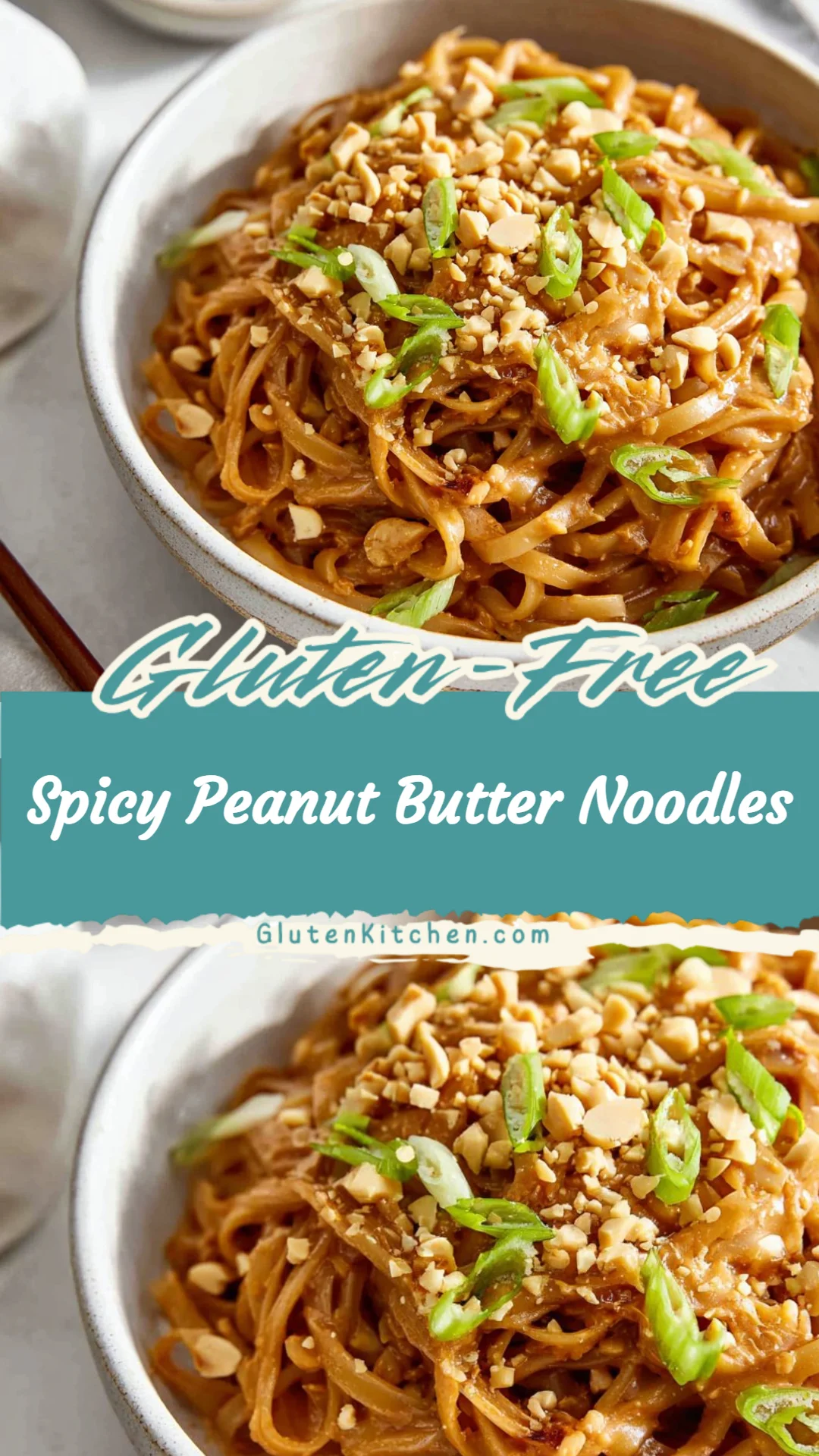
Spicy Peanut Butter Noodles
I know how liberating it feels to eat a meal that’s both satisfying and safe for my gluten-free body — the comfort afterward, the confidence that I didn’t unintentionally expose myself to gluten. People on a gluten-free or gluten-sensitive diet often worry about hidden gluten on labels, cross-contamination in shared kitchens, and finding quick weeknight meals that don’t compromise flavor. This Spicy Peanut Butter Noodles recipe is naturally gluten-free when you use certified gluten-free brown rice noodles and tamari, and it’s a nourishing, simple dish I turn to for fast dinners, healthy leftovers, and easy meal prep. For a peanut-forward snack that travels well and pairs beautifully with these noodles, I sometimes make my own peanut butter energy bites to round out the week.
A Quick Look at This Spicy Peanut Butter Noodles Recipe
This Spicy Peanut Butter Noodles recipe delivers a balanced plate with plant-based protein from peanut butter and optional tofu or edamame, fiber from brown rice noodles and vegetables, and vitamins from colorful veggies like broccoli and carrots. The dish is naturally gluten-free when you choose certified gluten-free brown rice noodles and tamari; always double-check labels for “gluten-free” if you have celiac disease or severe sensitivity. Flavor is driven by creamy peanut butter, punchy ginger and garlic, toasted sesame oil, and a spicy-sweet sauce with sriracha and maple syrup. It’s quick enough for weeknights, holds up well for lunches or meal prep, and the sauce makes it family-friendly — adjust spice for kids.
Ingredients You’ll Need for Spicy Peanut Butter Noodles
Essentials
- 16 ounces certified gluten-free brown rice noodles (check “gluten-free” on the package)
- 2/3 cup creamy peanut butter (no added gluten-containing ingredients; natural or commercial brands that are labeled gluten-free)
- 4 tablespoons low-sodium tamari (choose certified gluten-free tamari; regular soy sauce often contains wheat)
- 1 tablespoon fresh grated ginger
- 3 large cloves garlic, minced
- 1 tablespoon neutral oil (canola, avocado, or sunflower oil)
- 1 tablespoon rice vinegar
- 1 tablespoon toasted sesame oil (typically gluten-free, but check the label)
- 1–2 tablespoons sriracha (check label; some brands add wheat — pick a certified gluten-free brand if needed)
- 1–2 tablespoons maple syrup or other liquid sweetener (pure maple syrup is naturally gluten-free)
- 1/3–1 cup hot water (to thin the sauce to desired consistency)
- 1/2 teaspoon red pepper flakes (optional)
- 2 teaspoons chili garlic sauce (optional; check for gluten-free labeling)
Optional Add-ons
- Crushed or chopped roasted peanuts (ensure plain roasted peanuts with no cross-contact)
- Sliced scallions (green onions)
- Toasted sesame seeds
- Steamed broccoli, snap peas, julienned carrots, bell pepper, shredded cabbage, or baby spinach
- A handful of cilantro or basil
- Lime wedges
- Firm tofu cubes, tempeh slices (certified gluten-free), or shelled edamame
- Sliced cucumber or pickled vegetables (check brine for hidden gluten)
Substitutions and Gluten-Free Adjustments
- Brown rice noodles: Substitute with certified gluten-free rice vermicelli, quinoa noodles, or a certified gluten-free pasta made from corn, chickpea, or lentils. Always pick packages labeled “gluten-free.”
- Tamari: If you can’t find gluten-free tamari, use a labeled gluten-free soy sauce alternative, or substitute coconut aminos for a soy-free option (lower in sodium and slightly sweeter).
- Peanut butter: If peanut allergy is a concern, use almond butter or sunflower seed butter (sunflower butter is a good nut-free swap). Verify that the brand is processed in gluten-free facilities or labeled gluten-free if cross-contact is a concern.
- Sriracha and chili sauces: Replace with crushed red pepper or a certified gluten-free hot sauce. Read labels; some chili pastes or sauces include wheat-based stabilizers.
- Sweetener: Honey, agave, or brown rice syrup work fine; check labels for added ingredients.
Notes on safety: Highlight ingredients that should be certified gluten-free — brown rice noodles, tamari/soy sauce, sriracha/chili sauces, and any pre-made condiments. When buying tofu, tempeh, or packaged vegetables, scan labels for gluten-containing additives or shared processing lines.
Ingredient alternatives for allergies or availability
When I cook for guests or family with multiple food sensitivities, I keep a few safe swaps in my head so everyone eats well without risk.
- Peanut allergy: Use sunflower seed butter or tahini mixed with a touch of maple syrup and extra rice vinegar to mimic the sweet-savory peanut sauce. Sunflower butter is naturally nut-free but check processing for cross-contact.
- Soy allergy or gluten-free and soy-free: Use coconut aminos instead of tamari. Coconut aminos are typically gluten-free and soy-free, though they’re lower in sodium and slightly sweeter — reduce maple syrup to balance.
- Nut-free: Swap peanut butter for tahini plus a tablespoon of mild oil and a pinch of extra sweetener to achieve a similar mouthfeel.
- Low-sodium needs: Use low-sodium tamari or dilute regular tamari with a bit more rice vinegar and hot water; taste and adjust gradually.
- No oil: Omit the neutral oil when sautéing garlic and ginger; you can use a couple of tablespoons of water instead to soften aromatics without browning.
Avoid hidden gluten sources: Pre-made sauces, seasoning mixes, and some vinegars or spice blends can contain gluten. I always look for a “gluten-free” claim on labels, especially for tamari, chili garlic sauce, and store-bought pickles or condiments.
How to Make Spicy Peanut Butter Noodles Step-by-Step
I keep this recipe straightforward so beginners can follow it with confidence. Read through the steps before starting and gather any ingredients that need measuring. Always use clean utensils and a clean prep surface to avoid cross-contact in shared kitchens.
Prep everything first
- Grate 1 tablespoon fresh ginger and mince 3 large garlic cloves. Measure the peanut butter, tamari, rice vinegar, toasted sesame oil, maple syrup, and sriracha into a small bowl or measuring cups. If you plan to add vegetables or tofu, chop them now so everything is ready to go.
- Cross-contamination tip: If you share a kitchen with gluten-containing foods, wipe down counters and use a clean cutting board and utensils reserved for gluten-free cooking.
Cook the brown rice noodles
- Bring a large pot of water to a rolling boil and add a pinch of salt. Cook the 16 ounces of brown rice noodles according to the package directions until just al dente — rice noodles can go from perfect to mushy quickly, so start checking a minute or two before the shortest time listed.
- Drain in a colander. If you’re serving the noodles cold or at room temperature, rinse under cool water to stop the cooking and remove excess starch. If you’re serving hot, briefly rinse with warm water to separate strands but don’t soak.
- Cross-contamination tip: Use a clean colander and draining utensils that haven’t been used for gluten-containing pasta earlier in the day unless washed thoroughly.
Gently sauté aromatics (optional for deeper flavor)
- Heat 1 tablespoon neutral oil in a small skillet over low heat. Add the minced garlic and sauté gently until soft and fragrant (about 20–30 seconds). Add the grated ginger and cook for another 10–15 seconds. Remove the pan from heat to keep garlic from browning and turning bitter.
- If you’re avoiding oil, soften garlic and ginger with a tablespoon or two of water in the same low-heat pan until fragrant.
Make the peanut sauce
- In a medium bowl (or in the sauté pan if it’s cool), combine 2/3 cup creamy peanut butter, 4 tablespoons gluten-free tamari, 1 tablespoon rice vinegar, 1 tablespoon toasted sesame oil, 1–2 tablespoons sriracha, 1–2 tablespoons maple syrup, 1/2 teaspoon red pepper flakes (if using), and 2 teaspoons chili garlic sauce (optional). Add the cooked garlic and ginger.
- Whisk in 1/3 cup hot water to start, then add more up to 1 cup as needed to achieve a smooth, pourable sauce. Taste and adjust: add more tamari for salt, more maple syrup for sweetness, or more sriracha for heat.
- Texture tip: If the sauce is grainy, a splash of hot water and a vigorous whisk will smooth it. A small immersion blender or food processor can make it silky if you prefer.
Toss noodles and vegetables
- Place the drained noodles in a large bowl. Pour about half of the sauce over the noodles and toss gently to coat. If you’re adding hot vegetables (steamed broccoli, snap peas) or warm tofu, add them now and toss so the heat loosens the sauce.
- For a chilled salad-style version, rinse the noodles thoroughly with cool water before tossing with sauce and chilled vegetables.
Plate and garnish
- Divide noodles into bowls or meal containers. Drizzle remaining sauce over the top for extra flavor and presentation.
- Garnish with crushed roasted peanuts, sliced scallions, toasted sesame seeds, cilantro or basil, and lime wedges on the side. Serve hot, warm, or chilled — all are delicious.
- Storage tip: Store leftover noodles and sauce separately when possible for 3–4 days in the refrigerator. Reheat gently on the stovetop with a splash of water to loosen the sauce, or serve cold.
Throughout cooking, I keep one hand on safety: I use utensils and surfaces designated gluten-free and check all packaged ingredients for gluten-free labeling when I’m feeding someone with celiac disease. Small habits like clean bowls and fresh towels prevent accidental exposure.
Common Mistakes to Avoid
Keeping your kitchen gluten-safe and your dish well-textured is about paying attention to a few common errors that I see often. A little preparation avoids most problems.
Mistake 1: Using non-certified sauces or noodles
A lot of soy sauces, chili pastes, and packaged noodles contain wheat or are processed on shared equipment. Always choose certified gluten-free brown rice noodles and tamari, and read labels on sriracha, chili garlic sauce, and other condiments. When in doubt, contact the manufacturer or pick a clearly labeled gluten-free product.
Mistake 2: Sauce too thick or grainy
Peanut butter can seize into a stiff paste and make a lumpy sauce. Add hot water a little at a time while whisking to reach a smooth, silky consistency. If the sauce still seems grainy, a quick blitz in a blender or immersion blender will smooth it out.
Mistake 3: Overcooking rice noodles
Brown rice noodles soften quickly and can become mushy if left in boiling water too long or if they sit in hot water after draining. Test them early for al dente texture and rinse under cool or warm water depending on whether you want hot or chilled noodles. Serve or toss immediately after draining for best texture.
Serving Suggestions for Spicy Peanut Butter Noodles
This recipe is flexible enough to form the centerpiece of a balanced meal, to be served alongside simple sides, or to be dressed up for guests.
Start with a short paragraph:
I like pairing these Spicy Peanut Butter Noodles with vegetables and protein so each meal is balanced and satisfying. Below are three easy, gluten-free serving combos I reach for when I want variety without extra fuss.
Noodle bowl (balanced meal)
Top a bowl of the noodles with cubed firm tofu (pan-fried in a clean skillet), steamed broccoli, shredded carrots, and a sprinkle of roasted peanuts and sesame seeds. This makes a complete, protein-rich meal that keeps well for next-day lunches.
Simple sides (everyday pairing)
Serve the noodles with a crunchy cucumber salad (thinly sliced cucumbers, rice vinegar, a pinch of maple syrup, and sesame seeds) and a side of steamed edamame. These simple sides add freshness and extra fiber without complicated prep.
Family-style platter (serve-to-share)
Place the noodles in a large serving bowl and provide bowls of toppings — scallions, crushed peanuts, lime wedges, extra chili sauce, and fresh herbs. Let everyone build their own bowl; it’s a great strategy if you’re feeding kids or picky eaters and want to keep the heat optional.
Conclusion
I designed this Spicy Peanut Butter Noodles recipe to be a reliable, flavorful dish that fits safely into a gluten-free lifestyle: it’s adaptable, quick, and nourishing whether you need a weeknight dinner or a make-ahead lunch. Use certified gluten-free noodles and condiments, keep your prep area clean to avoid cross-contact, and customize vegetables or proteins to suit allergies and preferences. If you’d like another peanut-forward, make-ahead snack to pair with a noodle meal or to tuck into lunches, I reference a favorite option here: Spicy Peanut Butter Noodles – Eat With Clarity. I hope you enjoy making this at home — tweak the heat and toppings until it feels like your perfect bowl, and trust your tastebuds as you go.
FAQs About Spicy Peanut Butter Noodles
Spicy Peanut Butter Noodles can be safe if you use certified gluten-free brown rice noodles and tamari or a labeled gluten-free soy alternative. I always check labels for “gluten-free” and avoid sauces processed on shared wheat lines. Also use clean utensils and surfaces to prevent cross-contact.
Yes. For a peanut-free version of Spicy Peanut Butter Noodles, I use sunflower seed butter or tahini in place of peanut butter. Both give a rich mouthfeel; sunflower butter is nut-free but check the brand for cross-contact if needed. Adjust sweetness and vinegar to balance the flavor.
I store leftover Spicy Peanut Butter Noodles in the fridge for up to 3–4 days. If possible, store the sauce separately from the noodles to preserve texture. Reheat gently on the stovetop with a splash of water, or enjoy cold as a chilled noodle salad.
Absolutely. Spicy Peanut Butter Noodles are meal-prep friendly. Cook and rinse the noodles, store them and the sauce separately, and assemble when you’re ready. Vegetables like cucumber or shredded cabbage can be prepped in advance; add delicate greens like cilantro just before serving.
I often add pan-fried firm tofu, baked tempeh (check for gluten-free labeling), or shelled edamame for plant-based protein. If you eat animal protein, grilled chicken or shrimp pair nicely — just ensure any marinades or sauces used with those proteins are gluten-free.
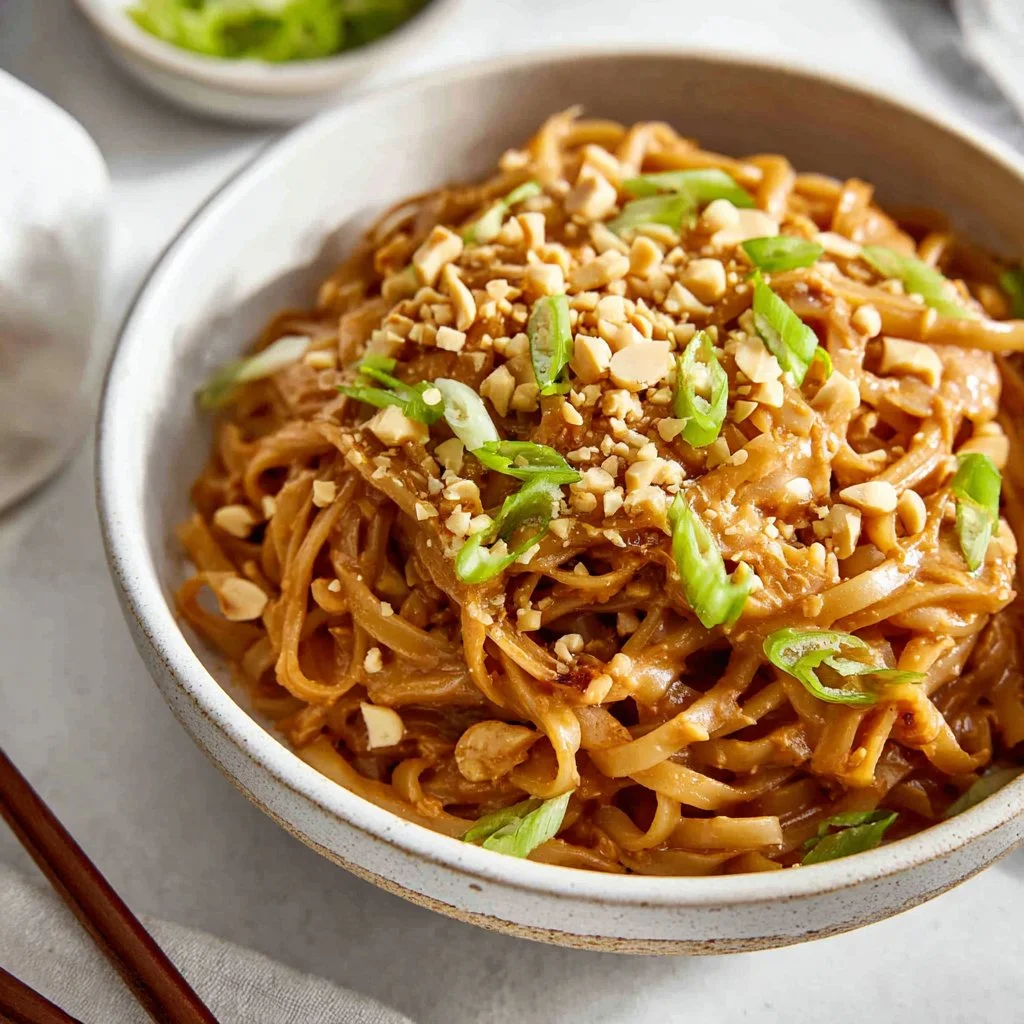
Spicy Peanut Butter Noodles
Ingredients
Method
- Grate fresh ginger and mince garlic. Measure peanut butter, tamari, rice vinegar, toasted sesame oil, maple syrup, and sriracha into a bowl. Chop additional vegetables or tofu if adding.
- Wipe down counters and use clean utensils to avoid cross-contact.
- Bring a large pot of salted water to a boil and cook brown rice noodles according to package instructions until just al dente.
- Drain the noodles. Rinse with cool water if serving cold, or warm water if serving hot.
- In a small skillet, heat oil over low heat. Sauté garlic for 20-30 seconds, then add ginger and cook for another 10-15 seconds. Remove from heat.
- Combine peanut butter, tamari, rice vinegar, sesame oil, sriracha, maple syrup, red pepper flakes, and chili garlic sauce in a bowl. Add sautéed garlic and ginger.
- Whisk in hot water to achieve a smooth, pourable sauce. Adjust flavors as needed.
- Place drained noodles in a large bowl and mix with half of the peanut sauce.
- Add any warm vegetables or tofu and toss to coat.
- Serve the noodles with remaining sauce drizzled on top and garnished with optional toppings.
- Store leftovers in the refrigerator for up to 3-4 days, ideally keeping sauce and noodles separate.