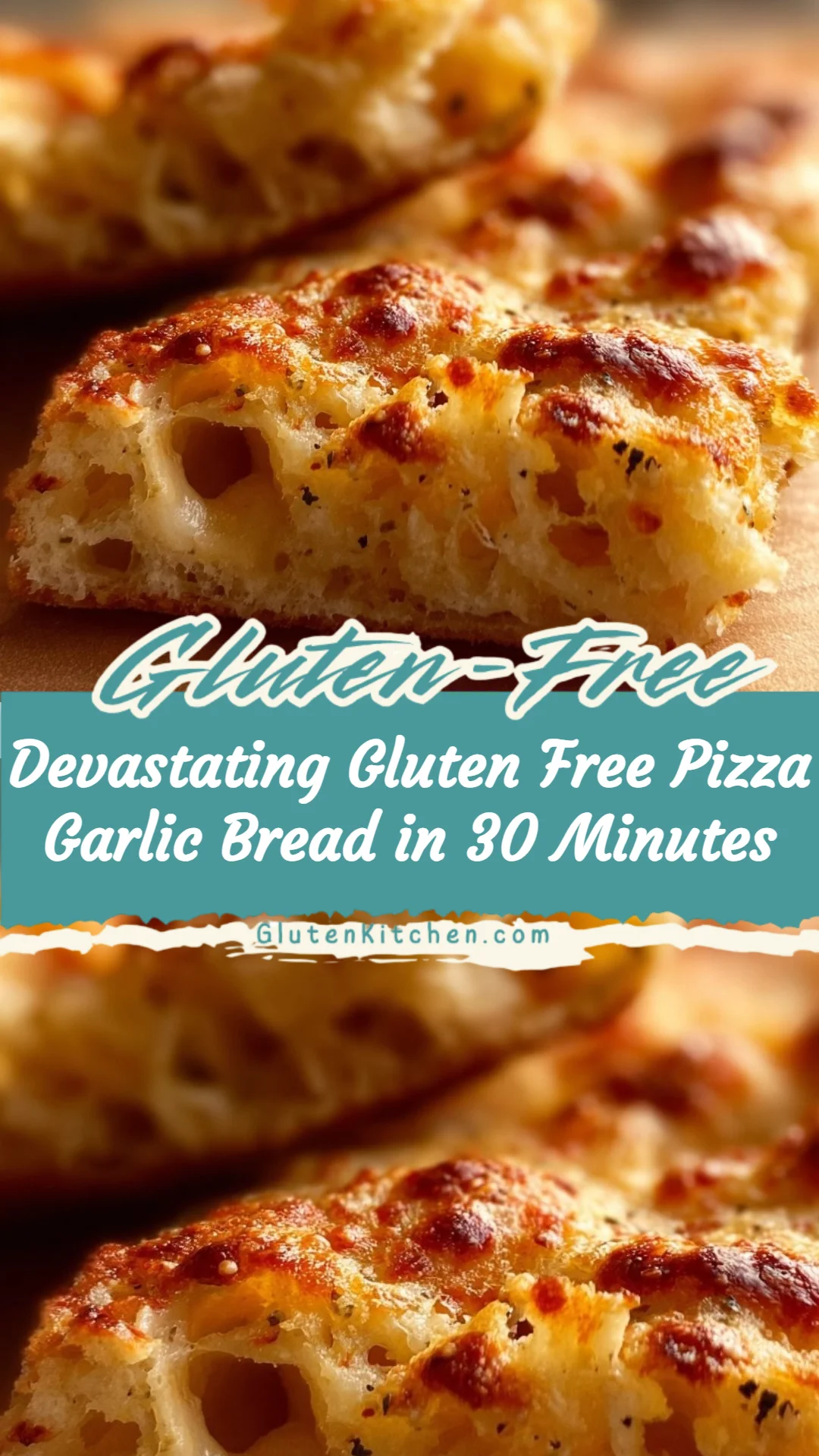
Devastating Gluten Free Pizza Garlic Bread in 30 Minutes
I know how reassuring it feels to sit down to a warm, comforting snack without worrying about hidden gluten or cross-contamination — I look for that confidence every time I cook. If you’re juggling label reading, limited takeout choices, or the anxiety of accidentally eating gluten, this easy recipe is meant to ease some of that stress while still tasting indulgent. I also like to point people toward other simple bakes I trust, like my gluten-free cinnamon roll wreath, which shows how approachable gluten-free doughs can be. This Devastating Gluten Free Pizza Garlic Bread in 30 Minutes recipe is straightforward, made with certified gluten-free dough when possible, and built to fit into weeknight routines and family meals.
A Quick Look at This Devastating Gluten Free Pizza Garlic Bread in 30 Minutes Recipe
This garlic bread recipe is a satisfying blend of carbohydrates, a little protein, and some healthy fats — the mozzarella and Parmesan provide protein and calcium while olive oil contributes heart-healthy monounsaturated fats. It uses gluten-free pizza dough (use a certified gluten-free package if you need full assurance) and fresh garlic for big flavor with minimal ingredients. The dish is naturally gluten-free when you start with a gluten-free dough and check all labels, and it’s quick enough for busy nights, good for prepping the next-day snack, and kid-friendly for picky eaters. It’s a simple way to add comfort to a balanced gluten-free meal without relying on complicated techniques.
Ingredients You’ll Need for Devastating Gluten Free Pizza Garlic Bread in 30 Minutes
Below I expand the recipe’s ingredient list and offer guidance on what to choose and why. All ingredients below must be 100% gluten-free. When I list items that should be certified gluten-free, I’ll call that out so you can avoid hidden gluten.
Essentials
- 1 package gluten-free pizza dough — Look for a package labeled “certified gluten-free” when possible. Common brands vary by region; read the label and check manufacturing practices. Some doughs include rice flour, tapioca, or potato starch; others use a proprietary blend. If you make your own dough, be careful about shared surfaces and tools.
- 2 tablespoons olive oil — Use extra-virgin for flavor; it’s naturally gluten-free.
- 3 cloves garlic, minced — Fresh garlic gives the best aroma and sharpness; pre-minced jarred garlic is fine if labeled gluten-free.
- 1/2 teaspoon salt — Regular sea or kosher salt is fine.
- 1/4 teaspoon black pepper — Freshly ground if possible for the best taste.
- 1/2 cup shredded mozzarella cheese — Choose part-skim or whole-milk based on preference; shredded cheeses are usually gluten-free but check anti-caking agents and labels.
- 1/4 cup grated Parmesan cheese — Pre-grated cheeses are often fine, but check labels for additives; freshly grated from a block is safest.
- 2 tablespoons chopped fresh parsley — Brightens the finished bread and adds a small boost of vitamin K and vitamin C.
- Pizza sauce for dipping — Use a jarred sauce labeled gluten-free or make a quick tomato dip with canned tomatoes, a pinch of oregano, and salt. Check labels for thickeners or flavorings that may contain gluten.
Optional Add-ons
- Red pepper flakes — For a touch of heat; naturally gluten-free.
- Italian seasoning or dried oregano — Adds aromatic herbs; check blend labels to be sure no cross-contamination.
- Minced fresh basil — For a fresher, peppery finish.
- A sprinkle of smoked paprika — For a subtle smoky note.
- A drizzle of good-quality balsamic reduction (gluten-free) — Adds brightness when serving warm.
- Sliced olives or sautéed mushrooms — If you want a more savory, veggie-forward version; ensure canned or packaged items are labeled gluten-free.
- A few spoonfuls of ricotta or mascarpone after baking — For a creamier bite; check labels.
Substitutions and Gluten-Free Adjustments
- Gluten-free pizza dough: If you can’t find a ready-made certified gluten-free dough, look for gluten-free pizza crusts, naan, or flatbreads labeled gluten-free that can be used similarly. When you make your own gluten-free dough, use separate utensils, a clean work surface, and a dedicated oven tray to avoid cross-contact.
- Olive oil: Swap for avocado oil if you prefer a slightly higher smoke point.
- Mozzarella: Use a dairy-free, gluten-free shredded cheese alternative if you’re dairy-free — check the brand for gluten-free status and meltability.
- Parmesan: Nutritional yeast can provide a savory, cheesy note if you avoid dairy. Use a brand labeled gluten-free.
- Garlic: Garlic powder works in a pinch (1/8–1/4 teaspoon), but be careful with blends that may contain anti-caking agents with hidden ingredients.
- Pizza sauce: If you’re watching sugar, choose a no-sugar-added jarred sauce or make a quick blend of tomato paste, water, garlic, salt, and dried oregano.
Ingredient alternatives for allergies or availability
When you or someone you cook for has allergies, or a product is out of stock, here are safe alternatives and label checks I recommend.
- Dairy-free options: Use a high-quality dairy-free shredded cheese that lists gluten-free on the package. Coconut-based, oat-based, or nut-based cheeses vary in how they melt; test brands ahead of time if you want a gooey result.
- Nut allergies: If using nut-based dairy alternatives, confirm there’s no risk for those with nut allergies. Choose soy or tapioca-based melters instead.
- Garlic sensitivity: If garlic causes issues, substitute with a mild shallot or a sprinkle of garlic-infused oil (check for gluten-free status), or omit completely and increase herbs for flavor.
- Salt reduction: Reduce to taste, or use a potassium-based salt substitute if advised by a clinician (but don’t rely on this as medical advice).
- Cross-contact sensitive households: If someone in your home is highly sensitive to cross-contact with wheat, keep a clearly labeled, separate storage area for gluten-free items and use dedicated utensils, pans, and a clean surface for rolling the dough.
Label notes to avoid hidden gluten:
- Anti-caking agents in shredded cheese can sometimes use wheat starch; choose brands that state “gluten-free” clearly or buy blocks and grate yourself.
- Seasoning blends: Some spice mixes or flavored salts may use wheat as a filler; check the ingredient list.
- Processed sauces and condiments: Look for “gluten-free” verification on pasta or pizza sauces; wheat flour can show up as a thickener in some products.
How to Make Devastating Gluten Free Pizza Garlic Bread in 30 Minutes Step-by-Step
I keep this recipe intentionally simple so it’s realistic for weeknights and for cooks who are newer to gluten-free doughs. Read all steps before you begin, and prepare any items that need measuring so the process flows.
Preheat and prepare
- Preheat your oven to 400°F (200°C). Position a rack in the middle to promote even browning.
- Line a baking sheet with parchment paper or use a non-stick baking mat. If you use a baking stone, be sure it’s clean and has not been used for wheat flour previously unless you’ve thoroughly scrubbed it and use a dedicated tool set.
Ready your work surface for gluten-free safety
- Clean your countertop or board thoroughly; remove any crumbs from wheat-based baking. If you share kitchen space with gluten-using family members, wipe down the area and tools with hot, soapy water.
- Lightly flour the surface with a gluten-free flour blend or rice flour to prevent sticking. I avoid wheat-based flour for gluten-free safety. Keep a bench scraper or spatula on hand for handling sticky dough.
Roll out the dough
- Open the package of gluten-free pizza dough. If chilled, let it sit at room temperature for 10 to 15 minutes so it relaxes — this makes it easier to work with.
- Dust your rolling pin with gluten-free flour. Roll the dough gently into a rectangle or oval about 1/4- to 1/2-inch thick depending on your preference. Avoid over-rolling; gluten-free doughs can be stickier and may tear if stretched too thin.
- If the dough resists, let it rest for another 5 minutes before continuing. Use a lightly oiled spatula to transfer the rolled dough to your prepared sheet.
Add the garlic-olive oil mixture
- In a small bowl, mix the 2 tablespoons of olive oil with the minced garlic, 1/2 teaspoon salt, and 1/4 teaspoon black pepper. Stir well to combine so the garlic is distributed.
- Brush this mixture evenly over the surface of the dough. I use a pastry brush; if you don’t have one, a spoon or the back of a small spatula works fine. The oil protects the dough from drying and gives a rich garlic flavor.
Add the cheeses
- Evenly sprinkle the shredded mozzarella over the oiled and garlicky surface. Follow with the grated Parmesan so it melts into the mozzarella and gives that sharp, savory lift.
- Keep the cheese layer moderate — too much cheese can make the center soggy, especially with some gluten-free doughs. About 1/2 cup mozzarella and 1/4 cup Parmesan usually gives good coverage.
Bake
- Place the baking sheet in the preheated oven and bake for 12–15 minutes. Watch for golden edges and bubbling cheese. Ovens vary, so start checking around 10–12 minutes.
- If you want extra browning, switch on the broiler for 30–60 seconds at the end, watching closely to avoid burning. Only broil if your baking sheet and dough are free from prior wheat contact.
Finish and serve
- Remove the garlic bread from the oven. Sprinkle the chopped fresh parsley across the top for color and freshness.
- Let it rest for 2–3 minutes so the cheese firms slightly, then slice into strips or squares. Serve warm with pizza sauce for dipping in small bowls on the side.
Gluten-free safety tips woven into the steps:
- Always check labels before you start and use certified gluten-free dough and sauces when necessary.
- Use clean tools and surfaces to avoid cross-contact if wheat is present in your kitchen.
- Store any unused dough in a separate container in the refrigerator and label it so family members know it’s gluten-free.
Common Mistakes to Avoid
A few careful choices keep this recipe both reliably gluten-free and texturally satisfying. Here are common missteps I see and how I avoid them.
Mistake 1: Misreading labels and hidden gluten
Assuming a product is gluten-free because it “looks” simple is risky. I always read ingredient lists for starches, malt, flavorings, or modified food starch that may come from wheat. If a product doesn’t explicitly say “gluten-free” and you need strict avoidance, I either choose a certified product or contact the manufacturer.
Mistake 2: Ignoring dough texture and hydration
Gluten-free doughs handle differently from wheat doughs — they’re often stickier and more fragile. Overworking or rolling too thin can cause tearing and a dry finish. I let my dough rest when it resists, lightly dust with gluten-free flour, and avoid aggressive stretching.
Mistake 3: Overbaking or underbaking
Baking too long can make the crust dry and crumbly, while underbaking leaves a gummy center. I use the 12–15 minute window as a guide and look for visual cues: golden edges, bubbling cheese, and a firm but slightly springy center. If the cheese browns too fast, reduce oven temperature slightly or move the tray lower in the oven.
Serving Suggestions for Devastating Gluten Free Pizza Garlic Bread in 30 Minutes
This garlic bread is versatile — I treat it as a snack, a side, or a casual main when paired well. It’s easy to assemble into balanced plates the whole family can enjoy.
Light dinner plate
Serve two or three strips alongside a hearty green salad (mixed greens, cherry tomatoes, cucumber) and a lean protein like grilled chicken or a can of drained chickpeas seasoned with lemon and olive oil. The garlic bread adds comforting carbs, while the salad supplies fiber and vitamins.
Soup or stew pairing
This garlic bread goes beautifully with tomato soup, roasted vegetable soup, or a lentil stew. The warm, cheesy bread makes the meal feel indulgent while keeping things simple — dip and enjoy. Use a tomato-based gluten-free soup to keep flavors classic.
Party platter or appetizer
Cut the garlic bread into small fingers and arrange on a platter with bowls of pizza sauce, a small selection of gluten-free olives, roasted bell peppers, and a bowl of herbed ricotta (or dairy-free alternative). It’s a relaxed, communal way to serve that’s easy to scale for guests.
Conclusion
I hope this Devastating Gluten Free Pizza Garlic Bread in 30 Minutes recipe gives you a reliable, delicious option for safe gluten-free comfort food that’s easy enough for weeknights and flexible for guests or meal prep. I find that working with certified gluten-free dough and keeping a few safety practices in mind—clean surfaces, clear labels, and moderate cheese—helps keep the results consistent and satisfying. If you’re enjoying experimenting with gluten-free dough textures, I often read practical techniques like kneading wet dough by hand | King Arthur Baking to refine my approach and confidence in handling sticky doughs.
FAQs About Devastating Gluten Free Pizza Garlic Bread in 30 Minutes
Yes. You can roll and top the dough, then cover it tightly with plastic wrap and refrigerate for up to 24 hours before baking. If you plan to bake later, keep the dough chilled and add a few extra minutes in the oven if it’s very cold. For strict gluten-free households, label and store it separately to avoid cross-contact.
You can freeze baked garlic bread. Let it cool completely, then wrap it tightly in foil and place in a freezer-safe container or bag for up to 1 month. Reheat in a 350°F (175°C) oven until warmed through. I don’t recommend freezing the dough already topped with fresh herbs and cheese unless you plan to bake directly from frozen and accept a small texture change.
Use a certified gluten-free dairy-free shredded cheese that melts well (such as tapioca- or starch-based alternatives) and check labels for gluten-free certification. Nutritional yeast or a sprinkle of dairy-free Parmesan-style topping can add umami. I suggest testing the brand in advance to ensure it melts to your liking.
Add a few simple tweaks: sprinkle on thinly sliced mushrooms or blanched spinach before baking for fiber and vitamins, or pair the garlic bread with a protein-rich side (grilled chicken, white beans, or a lentil salad) to round out a meal. Using extra-virgin olive oil keeps healthy fats in the mix without altering flavor.
It can be, provided every ingredient is certified gluten-free and you prevent cross-contact in your kitchen. I always recommend checking labels for certification, thoroughly cleaning surfaces and tools, and storing gluten-free items separately if you live with people who use wheat products. If in doubt, use products labeled “certified gluten-free” and follow strict food handling practices.
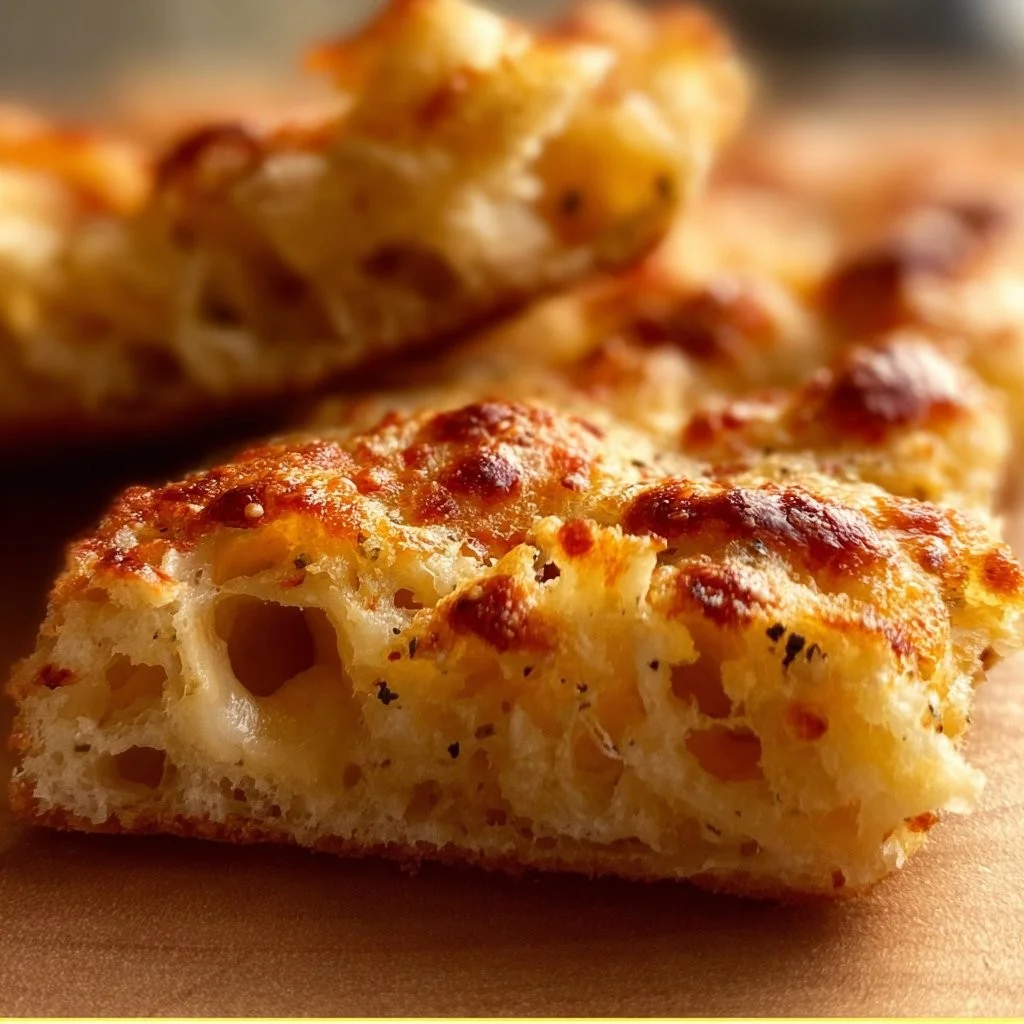
Devastating Gluten Free Pizza Garlic Bread
Ingredients
Method
- Preheat your oven to 400°F (200°C) and position a rack in the middle.
- Line a baking sheet with parchment paper or use a non-stick baking mat.
- Clean your counter or board thoroughly, removing any crumbs from wheat-based baking.
- Open the package of gluten-free pizza dough. If chilled, let it sit at room temperature for 10 to 15 minutes.
- Dust your rolling pin with gluten-free flour and roll the dough into a rectangle or oval about 1/4- to 1/2-inch thick.
- Use a lightly oiled spatula to transfer the rolled dough to your prepared sheet.
- In a small bowl, mix the olive oil with the minced garlic, salt, and black pepper.
- Brush this mixture over the surface of the dough.
- Evenly sprinkle shredded mozzarella over the dough, then add the grated Parmesan.
- Place the baking sheet in the preheated oven and bake for 12–15 minutes, checking for golden edges and bubbling cheese.
- If desired, switch on the broiler for 30–60 seconds for extra browning.
- Remove from the oven and sprinkle with chopped fresh parsley.
- Let it rest for 2–3 minutes, then slice and serve warm with pizza sauce.