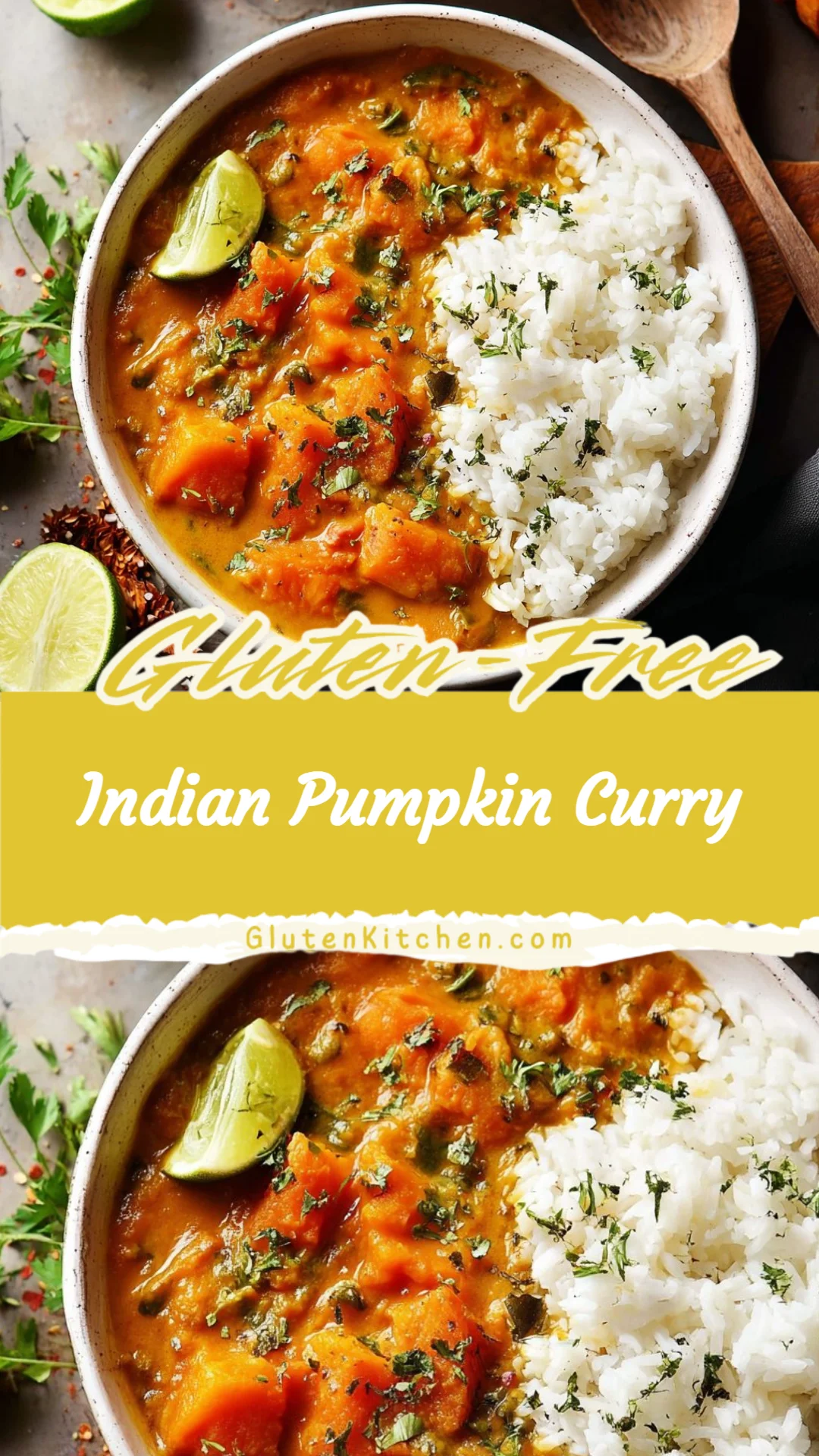
Indian Pumpkin Curry
I know how important it is to eat meals that settle well, taste great, and don’t force you to read labels every time you cook. Many of us with gluten intolerance or celiac disease worry about hidden gluten, confusing ingredient lists, and cross‑contamination. This Indian Pumpkin Curry is a simple, nourishing recipe I rely on when I want a flavorful, safe weeknight dinner that’s easy to prep, gentle on the stomach, and friendly for family meals.
A Quick Look at This Indian Pumpkin Curry Recipe
This Indian Pumpkin Curry blends pumpkin puree, coconut milk, and warming spices for a naturally gluten-free, vitamin‑rich main that’s high in fiber and packed with vitamin A from pumpkin and carrots. The recipe is naturally gluten‑free when you use certified gluten‑free spices and broth, and it relies on simple, whole-food ingredients like onion, bell pepper, and kale for added nutrition and texture. I find it’s perfect for quick weeknight dinners, meal prep (it stores and reheats well), and family-friendly lunches served over rice. It’s comforting without being heavy, and you can easily stretch it into larger batches for leftovers.
Ingredients You’ll Need for Indian Pumpkin Curry
Below I break the original ingredient list into essentials, optional add-ons, and gluten‑free substitutions. Always check labels and choose certified gluten‑free products where noted.
Essentials
- 1/2 tbsp oil (or about 2 tbsp water or broth for oil‑free cooking) — use a neutral oil like avocado or light olive oil; use water/broth for oil‑free.
- 1 medium onion, chopped
- 1 cup carrot, chopped
- 3/4 cup bell pepper, chopped (any color)
- 3 garlic cloves, minced
- 2 inches fresh ginger, minced
- 1/2 tbsp curry powder — choose a certified gluten‑free curry powder (spice blends can contain wheat or be cross‑contaminated)
- 3/4 tsp ground turmeric
- 1 tsp ground cumin
- 3/4 tsp salt (or to taste)
- 1/2 tsp smoked paprika (optional)
- 1/4 tsp black pepper (or to taste)
- 1/2 cup passata or tomato sauce — check label to ensure no hidden thickeners with gluten
- 2 cups pumpkin puree — canned or homemade
- 1/2 to 1 cup vegetable broth — use certified gluten‑free broth or make your own
- 3/4 cup canned coconut milk — most are gluten‑free, but check the label
- 6 to 8 leaves fresh kale, chopped (or baby spinach)
- Fresh herbs for garnish (e.g., parsley, cilantro)
- Lime or lemon juice to drizzle
- Cooked rice to serve — plain rice is gluten‑free; be cautious of flavored rice mixes
Optional Add-ons
- A can of chickpeas (rinsed) or cubed tofu for added protein — confirm chickpeas/tinned beans have no additives containing gluten
- A squeeze of honey or maple syrup to balance acidity (if desired)
- A small pinch of cayenne or fresh green chili for heat
- Toasted seeds (pumpkin, sunflower) for crunch
- A handful of chopped roasted cashews or almonds (check labels if packaged)
- Fresh coconut flakes as garnish (unsweetened)
Substitutions and Gluten-Free Adjustments
- Curry powder: Use single spices (turmeric + cumin + coriander + fenugreek) if your curry powder isn’t certified GF. Store‑bought blends can contain wheat as an anti‑caking agent.
- Passata/tomato sauce: Whole crushed tomatoes are a safe swap. Avoid tomato sauces labeled “spiced” or “seasoned” unless certified GF.
- Vegetable broth: Homemade broth or bouillon cubes labeled gluten‑free. Some store broths contain yeast extract or hydrolyzed vegetable protein — check for gluten.
- Coconut milk: Use full‑fat canned or carton coconut milk labeled gluten‑free. If allergic to coconut, use unsweetened almond milk plus a bit of extra oil for richness (but that changes flavor).
- Kale: Spinach or Swiss chard work well if kale isn’t available.
- Oil-free: Use water or a small amount of broth to sauté vegetables to keep it oil‑free.
All ingredients listed above can be 100% gluten‑free when you choose brands that label products certified gluten‑free or clearly state “gluten‑free.” I always recommend checking all ingredient labels and remembering that spice blends, broths, and packaged sauces are the most likely culprits for hidden gluten.
Ingredient alternatives for allergies or availability
When ingredients are hard to source or you have other allergies, here are safe alternatives and notes on avoiding hidden gluten.
- Pumpkin puree: If canned pumpkin is unavailable, roast chunks of sugar pumpkin or kabocha, then blend until smooth. Homemade puree is naturally gluten‑free.
- Coconut milk allergy: Use full‑fat canned plain oat milk only if you are certain the oat milk is certified gluten‑free (oats are often cross‑contaminated); otherwise unsweetened almond milk can work but add 1 tsp oil or a spoon of tahini for creaminess.
- Curry powder sensitivity: Make your own mix from turmeric, ground cumin, ground coriander, and a pinch of mustard powder — only buy pre‑blended curry powder if it’s labeled gluten‑free.
- Vegetable broth sensitivity: Homemade broth is safest. If using storebought, choose “gluten‑free” labeled brands. Avoid bouillons with “natural flavors” unless they’re verified.
- Bell pepper allergy or dislike: Use extra carrots, zucchini, or eggplant for texture.
- Kale unavailable: Use spinach, chard, or finely chopped collard greens.
Notes on avoiding hidden gluten sources:
- Spices and blends: Many spice mills process spices on shared equipment. Look for certified gluten‑free packaging or buy whole spices you grind yourself.
- Canned goods: Some cans have additives like maltodextrin (usually gluten‑free but can be from wheat in some countries) — when in doubt, choose brands that declare “gluten‑free.”
- Condiments: If you add soy sauce to a side dish, use gluten‑free tamari or coconut aminos.
- Shared appliances: If you or household members use shared toasters, cutting boards, or strainers for gluten foods, clean thoroughly before use or dedicate separate items.
How to Make Indian Pumpkin Curry Step-by-Step
I’ve rewritten the method into clear, beginner‑friendly steps with safety notes for people managing gluten sensitivity or celiac disease. Read the full recipe through once before you start and gather everything so you avoid checking multiple containers while cooking.
Prep before you heat the pan
- Chop the onion, carrot, and bell pepper into uniform pieces so they cook evenly. Mince the garlic and ginger. Measure out the spices (curry powder, turmeric, cumin, smoked paprika, black pepper, salt), and have the passata, pumpkin puree, broth, and coconut milk ready.
- Cross‑contamination tip: Use clean cutting boards and utensils. If you’ve previously prepared gluten‑containing foods on boards or knives, wash them well with hot soapy water and, if possible, sanitize or use a separate set labeled for gluten‑free cooking.
Heat the pan and start the base
- Warm 1/2 tablespoon oil over medium heat (or about 2 tablespoons water or low‑sodium broth for oil‑free). Add the chopped onion, carrot, and bell pepper.
- Sauté, stirring occasionally, for 4–5 minutes until the vegetables start to soften and the onion becomes translucent.
- Safety note: If you use shared pans or spatulas, ensure they’ve been thoroughly cleaned from any gluten residue. I keep a small set of pans labeled for gluten‑free use to make this easy.
Add garlic and ginger
- Stir in the minced garlic and ginger and cook for about 1 minute until fragrant. Don’t let the garlic brown too much or it may taste bitter.
Bloom the spices
- Add the curry powder, ground turmeric, ground cumin, smoked paprika (if using), black pepper, and salt. Stir continuously for 20–30 seconds. This step releases the spices’ essential oils and deepens flavor.
- Gluten tip: If you used packaged curry powder, make sure it’s certified gluten‑free. Spices bloom best in fat, so if you’re doing an oil‑free version, add a splash more broth to prevent sticking.
Add the passata, pumpkin puree, broth, and coconut milk
- Pour in 1/2 cup passata, 2 cups pumpkin puree, 1/2 to 1 cup vegetable broth (start with 1/2 cup and add more if you want a thinner sauce), and 3/4 cup canned coconut milk. Stir until the mixture is smooth and well combined.
- Bring the sauce to a gentle simmer over medium heat.
Simmer gently until vegetables are tender
- Reduce the heat to low and let the curry simmer for 5–8 minutes, or until the carrots are tender when pierced with a fork.
- If the curry seems too thick, add a splash more warm broth or water until you reach your preferred consistency.
Stir in the greens
- Add the chopped kale and stir for 1–2 minutes until it wilts but still retains some texture. If you prefer a softer green, simmer 3–4 minutes longer.
- Final seasoning: Taste and adjust salt, pepper, or a squeeze of lime or lemon juice to brighten the flavors.
Finish and serve
- Remove from heat, garnish with fresh herbs (cilantro or parsley), and drizzle a little extra lime or lemon juice if desired.
- Serve over steamed rice. If you use store‑bought naan or flatbreads, choose certified gluten‑free varieties or serve with rice and a simple salad.
Storage and reheating tips:
- Store leftovers in an airtight container in the fridge for up to 3–4 days.
- Freeze in portions for up to 2 months. Thaw overnight in the fridge before reheating.
- Reheat gently on the stove over low heat, stirring and adding a splash of water or broth if needed. Avoid microwaving in containers that may have previously held gluten foods.
Common Mistakes to Avoid
Keeping gluten out of your meal and getting the right texture in a dairy‑free curry are equally important. I focus on preventing hidden gluten exposure while preserving flavor and consistency.
Mistake 1: Using unverified spice blends or broths
Many store‑bought curry powders and vegetable broths contain additives or are processed on shared equipment. Always check for a “gluten‑free” label or choose single‑ingredient spices and a certified gluten‑free broth. If you’re unsure, make your own spice mix using separate measuring spoons and a clean bowl.
Mistake 2: Skipping the spice‑blooming step
Not blooming spices properly leads to a flat curry. Spend 20–30 seconds to stir spices in oil or a little broth until aromatic. This step transforms the spices and deepens the overall flavor without adding complexity.
Mistake 3: Overcooking the greens or undercooking the carrots
Add kale at the end to keep it bright and slightly chewy — overcooked greens become mushy. Conversely, make sure carrots are tender before serving; they need the time in simmering liquid to soften. Test with a fork and adjust simmer time as needed.
Serving Suggestions for Indian Pumpkin Curry
I like to serve this curry in ways that make a balanced, gluten‑free meal with minimal fuss. Here are three practical serving ideas I return to often.
Rice and simple sides
Serve the curry over steamed basmati or jasmine rice for a classic, comforting meal. Add a side of cucumber salad (sliced cucumber, yogurt or dairy‑free yogurt, lemon, salt, pepper) for freshness.
Add protein for balance
Make it a fuller meal with a can of rinsed chickpeas or lightly pan‑fried tofu cubes folded into the curry in the last 5 minutes of cooking. Both are naturally gluten‑free when packaged without additives.
Batch‑friendly meal prep
Cook a double batch and portion into containers with rice or quinoa. Add a small container of fresh herbs and lime wedges to squeeze before eating. I find this makes lunches and busy weeknight dinners much easier.
Conclusion
I hope you feel encouraged to try this Indian Pumpkin Curry as a safe, flavorful way to eat gluten‑free at home — it’s flexible, nourishing, and forgiving for busy cooks. For another version and extra tips, I often look to resources like Indian Pumpkin Curry (One Pot Recipe) – Elavegan for inspiration and variations.
FAQs About Indian Pumpkin Curry
Yes — the basic ingredients (pumpkin puree, coconut milk, vegetables, and spices) are naturally gluten‑free. I always recommend using certified gluten‑free curry powder and vegetable broth to avoid hidden gluten. Check labels on canned goods and spices and watch for shared‑facility warnings.
Absolutely. Add rinsed canned chickpeas, cooked lentils, or cubed tofu. Make sure canned beans and tofu are plain and don’t contain additives with gluten. For extra flavor, toast chickpeas in a dry pan before folding them in.
Store leftovers in an airtight container in the fridge for 3–4 days. For longer storage, freeze in portioned containers for up to 2 months. Thaw in the fridge overnight and reheat gently on the stove, adding a splash of broth or water if it’s thickened.
If you’re allergic to coconut, try unsweetened almond milk with a tablespoon of tahini or a teaspoon of neutral oil for added richness — only use almond milk if you don’t have a gluten sensitivity to oats or other grains in fortified versions. If you choose oat milk, make sure it’s certified gluten‑free.
Yes. This curry freezes very well. Portion it into freezer‑safe containers and freeze for up to 2 months. When reheating, thaw overnight in the refrigerator or gently reheat from frozen on low heat, stirring occasionally and adding a little broth if needed.
I’m always happy to help adjust this recipe for specific dietary needs or to suggest substitutions based on what you have on hand. Enjoy making it your own — and trust that with a few label checks and clean cooking practices, you can enjoy a delicious, safe gluten‑free curry any night of the week.
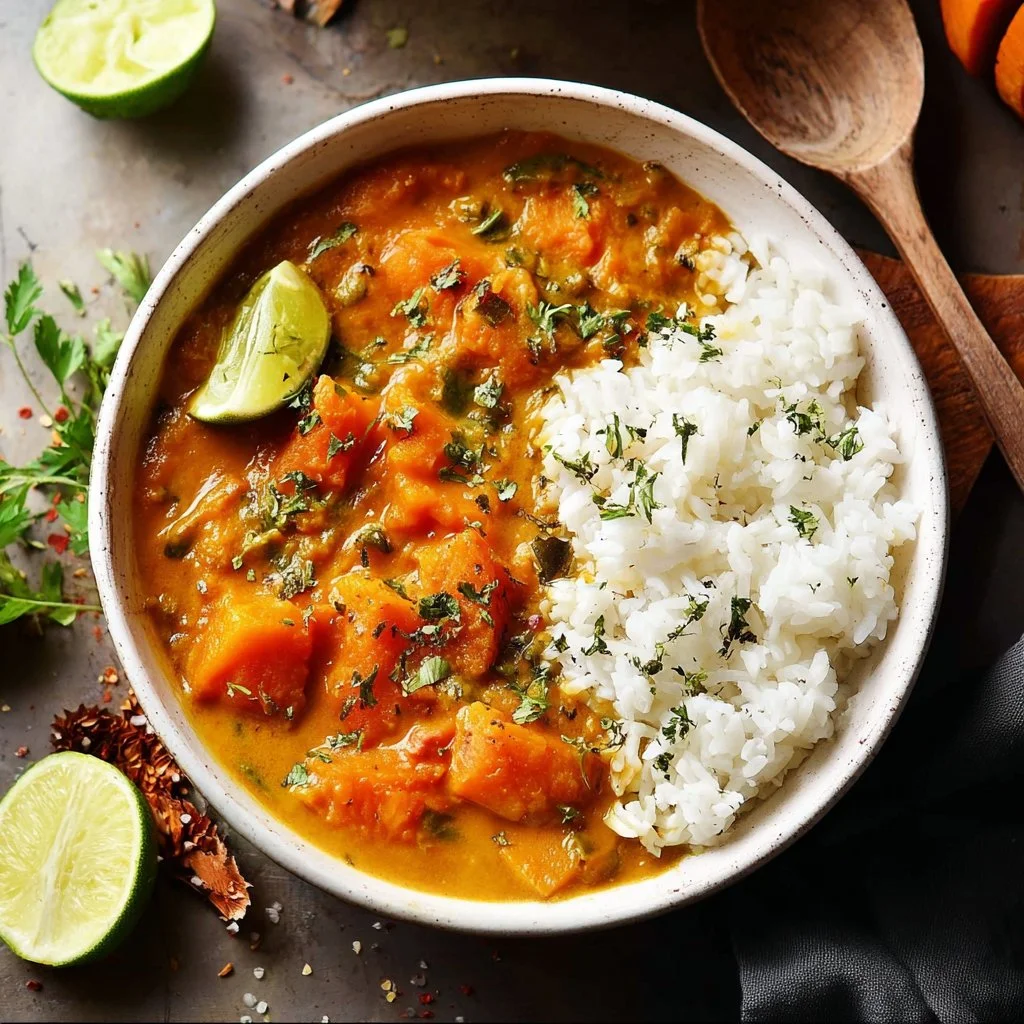
Indian Pumpkin Curry
Ingredients
Method
- Chop the onion, carrot, and bell pepper into uniform pieces so they cook evenly.
- Mince the garlic and ginger. Measure out the spices (curry powder, turmeric, cumin, smoked paprika, black pepper, salt), and have the passata, pumpkin puree, broth, and coconut milk ready.
- Cross-contamination tip: Use clean cutting boards and utensils.
- Warm 1/2 tablespoon oil over medium heat (or about 2 tablespoons water or low-sodium broth for oil-free). Add the chopped onion, carrot, and bell pepper.
- Sauté, stirring occasionally, for 4–5 minutes until the vegetables start to soften and the onion becomes translucent.
- Add the minced garlic and ginger and cook for about 1 minute until fragrant. Don’t let the garlic brown too much.
- Add the curry powder, ground turmeric, ground cumin, smoked paprika (if using), black pepper, and salt. Stir continuously for 20–30 seconds.
- Pour in 1/2 cup passata, 2 cups pumpkin puree, 1/2 to 1 cup vegetable broth, and 3/4 cup canned coconut milk. Stir until the mixture is smooth and well combined.
- Bring the sauce to a gentle simmer over medium heat.
- Reduce the heat to low and let the curry simmer for 5–8 minutes, or until the carrots are tender when pierced with a fork.
- Add the chopped kale and stir for 1–2 minutes until it wilts but still retains some texture.
- Taste and adjust salt, pepper, or a squeeze of lime or lemon juice to brighten the flavors.
- Remove from heat, garnish with fresh herbs, and drizzle a little extra lime or lemon juice if desired.
- Serve over steamed rice.