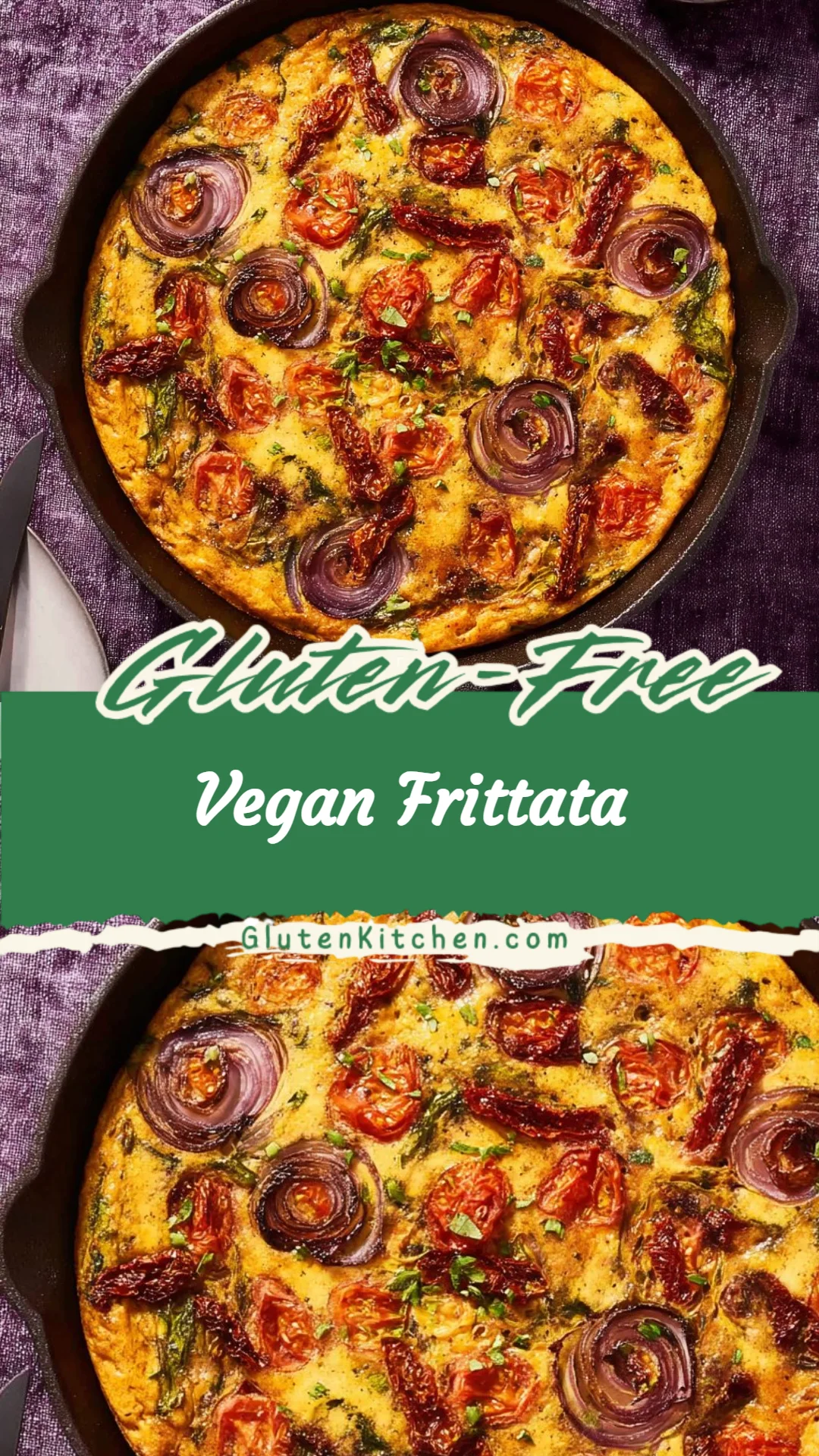
Vegan Frittata
I know how reassuring it feels to sit down to a meal that won’t leave you worrying about hidden gluten or cross-contamination. For many of us who are gluten-free or gluten-sensitive, simple dishes that are both satisfying and safe are priceless. This Vegan Frittata is a nourishing, plant-based option that’s naturally gluten-free when you choose certified ingredients and follow a few basic safety steps — it’s comforting, versatile, and easy enough for weeknight cooking or meal prep.
A Quick Look at This Vegan Frittata Recipe
This Vegan Frittata is rich in plant protein from firm tofu and provides a good dose of fiber and vitamins from mushrooms, bell pepper, and spinach. The tofu-based filling gives a creamy, egg-like texture without any gluten-containing thickeners when you use certified gluten-free cornstarch and processed ingredients. Nutritional yeast and turmeric add savory, slightly cheesy flavor and appealing color. It’s naturally gluten-free with the right product choices, making it a great family-friendly dish for breakfasts, brunches, or light dinners and an easy option for batch cooking and reheating.
Ingredients You’ll Need for Vegan Frittata
Below I’ve expanded the recipe ingredients into essentials, optional enhancers, and specific substitutions to keep this dish reliably gluten-free.
Essentials
- 14 ounces firm tofu, cubed — Use a plain, firm tofu labeled gluten-free if possible. Tofu is the main protein and gives structure. Avoid tofu with added flavorings or marinades that might contain gluten.
- 1 tablespoon cornstarch — Helps bind the mixture and improve texture. Choose certified gluten-free cornstarch to avoid cross-contact with wheat-based starches.
- 2 tablespoons nutritional yeast flakes — Adds savory, “cheesy” umami and B-vitamins. Check the label for gluten-free certification if you are highly sensitive.
- 1/4 teaspoon turmeric — For color and mild earthy flavor.
- 1/2 teaspoon onion powder — For consistent onion flavor throughout the frittata; fresh onion is also used.
- 1/2 teaspoon garlic powder — Adds gentle garlic depth alongside fresh garlic.
- 3/4 teaspoon salt — Adjust to taste; fine sea salt or kosher salt both work.
- 1/2 teaspoon black salt (optional) — Kala namak gives an eggy sulfur note if you like that flavor. It’s naturally gluten-free, but choose a reputable brand.
- 2 tablespoons soy milk — Adds creaminess. Use plain, unsweetened soy milk that’s labeled gluten-free; many plant milks are naturally gluten-free but some brands add flavorings or stabilizers.
- 1 tablespoon olive oil — For sautéing the vegetables and preventing sticking.
- 1 medium onion, chopped — Sautéed to bring sweetness and depth.
- 1 teaspoon crushed garlic — Fresh garlic for aroma and flavor.
- 2 1/2 cups cremini mushrooms, sliced — Adds savory richness and meaty texture.
- 1 medium red bell pepper, chopped — For color, vitamin C, and sweetness.
- 3 cups baby spinach, chopped — Adds iron, vitamins, and bright color.
- Optional decoration: sundried tomatoes, sliced red onion — Use preserved sundried tomatoes that are labeled gluten-free; sometimes added ingredients or oils can cause cross-contact.
Optional Add-ons
- Fresh herbs (parsley, chives, basil) — Add just before serving for brightness.
- Sliced olives or capers — For a bit of briny contrast.
- Roasted red peppers — Swap or add for sweetness and depth.
- Crumbled firm marinated tofu or tempeh (gluten-free) — Extra protein; ensure tempeh is gluten-free (some tempeh uses grains).
- A splash of lemon juice — Brightens flavors when added just before baking or on serving.
- A small amount of dairy-free cheese (certified gluten-free) — For a melty top if you like.
Substitutions and Gluten-Free Adjustments
- Cornstarch — If you prefer, arrowroot powder labeled gluten-free works similarly for binding. Avoid “modified food starch” unless it’s clearly labeled gluten-free.
- Nutritional yeast — Confirm it’s processed in a gluten-free facility if you are extremely sensitive. If unavailable, a pinch more salt and some miso (gluten-free) can add savory umami.
- Soy milk — Use oat milk only if it’s certified gluten-free (many oats are cross-contaminated). Almond milk, rice milk, or pea protein milk are safe alternatives when labeled gluten-free.
- Sundried tomatoes — Choose varieties packed in oil without added flavorings or preservatives, and check labels for gluten-free certification when in doubt.
Note: I always recommend checking product labels and looking for a gluten-free certification symbol if cross-contact would be an issue for you.
Ingredient alternatives for allergies or availability
If you have other dietary needs or can’t find a specific ingredient, here are safe, gluten-free alternatives and how to avoid hidden gluten sources.
- Soy-free option: Replace tofu with a chickpea flour base (see note below) or use firm, plain, gluten-free tempeh only if the tempeh is certified gluten-free. Some tempeh includes barley or other grains, so read labels carefully.
- Nut-free: The recipe is naturally nut-free — avoid adding nut-based milks if you need to be nut-free; use pea or rice milk that’s labeled gluten-free.
- Corn-free: If you avoid corn, replace cornstarch with arrowroot powder or tapioca starch (check for cross-contact if needed).
- Avoiding hidden gluten: Watch for ingredients listed as “natural flavors,” “spice blends,” “modified food starch,” or “maltodextrin” — these can be sources of gluten or cross-contamination unless the label specifies gluten-free. When in doubt, contact the manufacturer or choose a product with a clear gluten-free statement.
- Tofu notes: Plain tofu is usually gluten-free, but some flavored or pre-seasoned tofu can contain soy sauce (which often contains wheat unless labeled gluten-free). Choose plain, unseasoned tofu and rinse it if you’re switching brands.
I also recommend using clean utensils and surfaces if your kitchen is not exclusively gluten-free. That means wiping down counters, using a clean cutting board, and ensuring any containers used for seasonings haven’t been contaminated.
How to Make Vegan Frittata Step-by-Step
I’ll walk you through this with beginner-friendly steps, plus gluten-free safety tips and easy alternatives if you don’t have a food processor.
Preheat and prep the pan
- Preheat your oven to 350°F (175°C). Use an oven-safe dish about 8–9 inches round (pie dish) or an 8×8-inch square baking dish. Lightly oil the dish or spray with a gluten-free, non-stick spray. If you’re using a dish that’s used for gluten-containing foods, wash it thoroughly first or use a clean dish.
Make the tofu base
- Drain the tofu and press gently between clean kitchen towels or paper towels to remove excess moisture. Cube it and add the tofu to a food processor.
- Add the cornstarch, nutritional yeast, turmeric, onion powder, garlic powder, salt, and black salt (if using) to the processor.
- Pour in the soy milk (or your chosen gluten-free plant milk). Pulse until smooth and creamy. If you don’t have a food processor, mash the tofu with a fork and whisk in the other dry ingredients and milk — it will be a bit chunkier but still tasty.
- Taste a small spoonful and adjust salt or nutritional yeast as needed. Set the tofu mixture aside while you cook the vegetables.
- Gluten-free tip: Make sure your food processor and blade are clean and haven’t been used with gluten-containing batters unless they were thoroughly washed.
Sauté the aromatics
- Warm the olive oil in a skillet over medium heat. Add the chopped onion and crushed garlic.
- Sauté for 4–6 minutes until the onion is translucent and fragrant. Stir occasionally to prevent sticking.
- Cross-contamination note: Use a clean skillet and spatula that haven’t been used for wheat flours or breadcrumbs. If your skillet was used for glutenous foods, clean it thoroughly before using.
Cook the vegetables
- Add the sliced cremini mushrooms and chopped red bell pepper to the skillet. Sauté for another 5–7 minutes until the mushrooms release their moisture and the peppers soften.
- Add the chopped baby spinach and cook just until wilted — this only takes a minute or two. Remove from heat and allow the vegetables to cool slightly.
Combine tofu base with vegetables
- Fold the blended tofu mixture into the sautéed vegetables in the skillet, or combine them in a mixing bowl. Stir gently but thoroughly so the tofu mixture coats the vegetables evenly.
- Taste and adjust seasoning — add a little more salt, nutritional yeast, or turmeric if you want more color or flavor.
Transfer to baking dish and decorate
- Spoon the combined mixture into the prepared oven-safe dish. Smooth the top with a spatula so it’s compact and even.
- Decorate with sliced sundried tomatoes and thinly sliced red onion if desired. These are optional but add color and contrast.
- Baking container tip: If you used a metal pan, be careful with hot handles. Glass and ceramic dishes usually give a nice golden edge but may take slightly longer to set.
Bake until set
- Bake in the preheated oven for about 40 minutes, or until the frittata is firm to the touch and the top is lightly golden.
- To check doneness: gently press the center — it should feel set with a slight spring. If it’s still very wobbly, return to the oven for 5–10 more minutes.
- Cooling and slicing: Allow the Vegan Frittata to cool for at least 10 minutes after baking. This helps it firm up and makes slicing easier.
Serve and store
- Serve warm, cut into wedges or squares. Leftovers keep well in an airtight container in the fridge for 3–4 days, or freeze portions for up to 2–3 months (see FAQs for thawing/reheating tips).
- Reheat in the oven or microwave until warmed through.
I like to keep steps straightforward and emphasize cleaning tools and surfaces that might be a source of gluten cross-contact. That’s the simplest way to stay safe without overcomplicating the cooking process.
Common Mistakes to Avoid
When you’re cooking gluten-free, small oversights can lead to exposure or a less-than-ideal texture. I’ll keep this short and focused so you can avoid the most common problems while keeping the flavors you want.
Mistake 1: Using products without checking labels
Not all ingredients are created equal — some spice blends, packaged sundried tomatoes, or plant milks may include stabilizers or flavorings that contain gluten or have cross-contact risks. Always scan the label for “gluten-free” or check the manufacturer’s allergen info.
Mistake 2: Incorrect texture from too-wet or too-dry mixtures
If your tofu mixture is too thin, the frittata can turn out soggy. Ensure you press excess water from tofu, and don’t add extra milk. Conversely, if it’s too dry, the final frittata can be crumbly; adding a tablespoon or two more soy milk can help. Cornstarch helps bind — don’t skip it unless you replace it with a similar binder like arrowroot.
Mistake 3: Over- or under-baking
Under-baking leaves a wobbly center, while over-baking dries out the frittata. Bake until set and slightly golden, and let it cool for 10 minutes to firm up. If you’re unsure, check the center with a gentle press — a little give is fine, but it shouldn’t be liquid.
Serving Suggestions for Vegan Frittata
This Vegan Frittata is flexible — I’ll suggest practical pairings that create well-rounded, gluten-free meals for different occasions.
A few simple sides will turn this into a balanced plate. Add protein-rich beans or a small potato side for a heartier meal, and include fresh salad greens to round out nutrients.
Balanced plate ideas
- Serve wedges of frittata with a crisp mixed-green salad tossed in lemon vinaigrette and a side of roasted sweet potatoes or a small scoop of quinoa for complex carbs and extra fiber.
Light brunch or breakfast
- Pair the warm frittata with gluten-free toast (certified GF) topped with smashed avocado, or offer a side bowl of fresh fruit and a dollop of dairy-free yogurt.
Meal prep & family-style serving
- Make the frittata on a Sunday and slice into portions for quick reheating. Offer grain bowls with warm quinoa or brown rice, steamed greens, and a wedge of frittata for simple lunches.
Conclusion
I hope this Vegan Frittata becomes one of your go-to gluten-free recipes — it’s nourishing, adaptable, and kind to sensitive stomachs when you choose certified ingredients and follow simple cross-contamination steps. If you’d like another take on a vegan, tofu-based frittata or want inspiration for different vegetables and seasonings, take a look at this Vegan Frittata for additional ideas and variations. I encourage you to make the recipe your own — swap vegetables, experiment with herbs, and enjoy the confidence that this dish can be both safe and satisfying.
FAQs About Vegan Frittata
The recipe itself uses naturally gluten-free whole ingredients, but the Vegan Frittata is only reliably gluten-free if you choose products labeled gluten-free (for example, cornstarch, nutritional yeast, and plant milk) and avoid cross-contamination in the kitchen. I always double-check labels and use clean surfaces and utensils.
Yes. For a soy-free version of the Vegan Frittata, you can try a chickpea-flour (besan) batter: mix chickpea flour with water, a little oil, and the same seasonings to form a thick batter, then fold in the cooked vegetables and bake similarly. Make sure the chickpea flour is labeled gluten-free and adjust liquid amounts until you reach a thick, spreadable texture.
Store leftover Vegan Frittata in an airtight container in the fridge for 3–4 days. Reheat individual slices in the microwave for 1–2 minutes or in a 350°F (175°C) oven for about 10–15 minutes until warmed through. If frozen, thaw in the fridge overnight and reheat as above.
Yes, the Vegan Frittata freezes well. Slice it into portions, wrap each piece in parchment or plastic wrap, and place in a freezer-safe container or bag for up to 2–3 months. Thaw overnight in the fridge before reheating. Texture is slightly firmer after freezing, but it stays pleasant and convenient for meal prep.
To help your Vegan Frittata set: press excess water from the tofu, use the recommended cornstarch (or arrowroot) as a binder, and avoid adding extra liquid beyond what’s called for. Bake until the center is set and allow it to rest for 10 minutes after baking so it firms up before slicing.
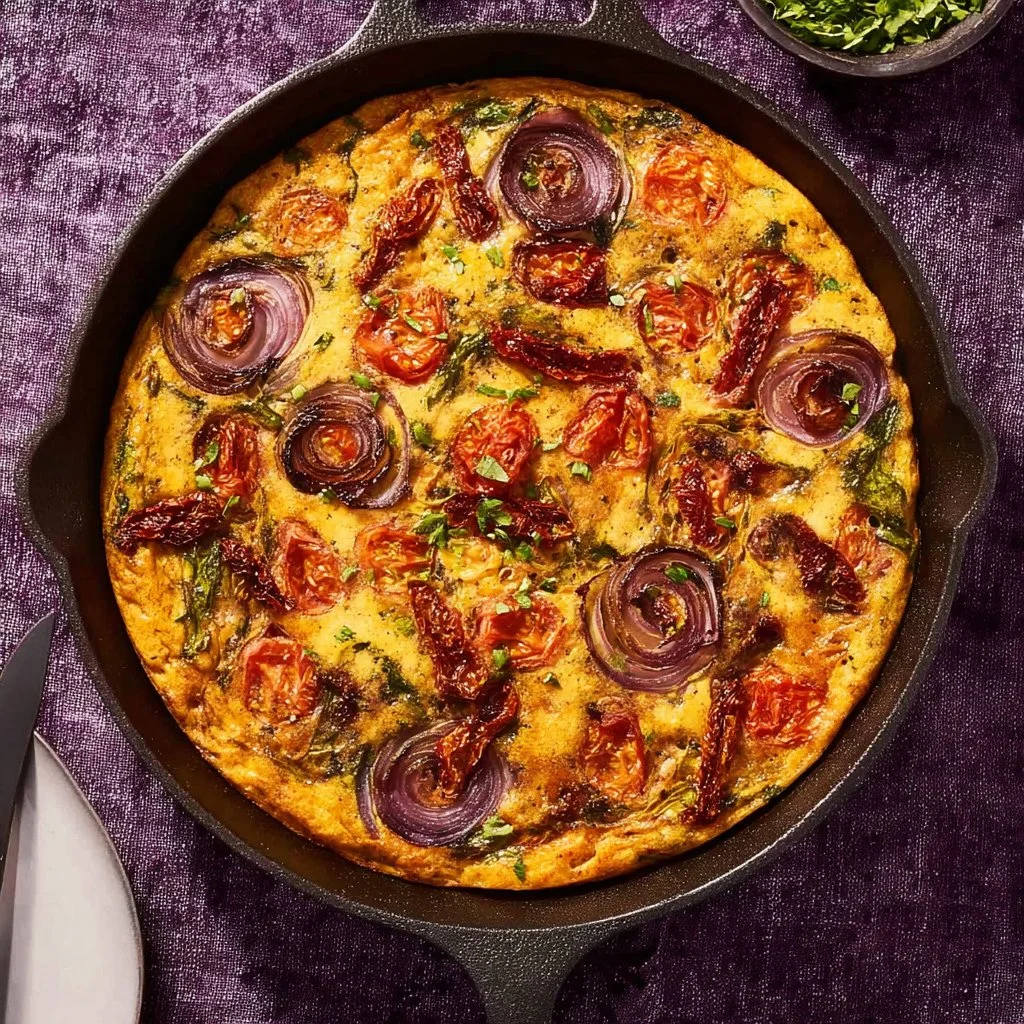
Vegan Frittata
Ingredients
Method
- Preheat your oven to 350°F (175°C). Lightly oil an 8-9 inch round baking dish or an 8×8 inch square baking dish.
- Drain the tofu and press gently to remove excess moisture. Cube it and place it in a food processor.
- Add cornstarch, nutritional yeast, turmeric, onion powder, garlic powder, salt, and black salt to the processor. Pour in soy milk and blend until smooth.
- Set the blended tofu mixture aside.
- Warm olive oil in a skillet over medium heat. Add chopped onion and crushed garlic, sauté for 4-6 minutes until translucent.
- Add sliced mushrooms and chopped bell pepper to the skillet and sauté for another 5-7 minutes.
- Add chopped spinach and cook until wilted, about 1-2 minutes.
- Fold the tofu mixture into the sautéed vegetables. Adjust seasoning as desired.
- Transfer the mixture to the prepared baking dish.
- Decorate with sundried tomatoes and sliced red onion if desired.
- Bake in the preheated oven for about 40 minutes, or until firm and lightly golden.
- Let cool for 10 minutes before slicing.